Select Games to Compare
Benchmark your exact mobile GPU wattage (TGP), battery throttling drops, and cooling pad requirements for these games.
Active Matter vs Tom Clancy's Rainbow Six Siege
| close | close |
|---|---|
| shopping_cart Where to Buy | |
| info General Information | |
| Release Date | |
| Sep 15, 2026 | Dec 1, 2015 |
| Developer | |
| Matter Team | Ubisoft Montreal |
| Publisher | |
| Gaijin Network Ltd | Ubisoft |
| Genre(s) | |
| Action, Massively Multiplayer, First-Person Shooter, Extraction Shooter, PvPvE, Survival | Tactical Shooter, Action, First-Person Shooter, Competitive Multiplayer, Hero Shooter |
| Engine | |
| Dagor Engine | AnvilNext 2.0 (RealBlast Destruction) |
| stars Ratings & Price | |
| Content Rating | |
| Mature | Mature |
| Avg. User Rating | |
| 3.9 / 5.0 | 4.1 / 5.0 |
| Current Price (USD) | |
| $29.99 | $19.99 |
| tune Key Specs | |
| Quick Highlights | |
|
|
| sports_esports Gameplay & Mechanics | |
| Companions/Followers | |
|
|
| Key Collectibles | |
|
|
| Key Themes | |
|
|
| colorize Combat & Gear | |
| Weapons Overview | |
|
|
| Armor / Gear Sets | |
|
|
| Outfits/Customization | |
|
|
| trending_up Progression & Upgrades | |
| Skills & Progression | |
|
Progression revolves heavily around extraction survival and base management. At the core is the Syndicate Base, a safe hub where players use harvested Active Matter to utilize the 'Replicator'. This device pulls objects from other timelines, allowing players to craft and retrieve highly advanced military weapons, modifications, and drones. Character progression relies on accumulating wealth (Credits and Prime currency), expanding your Replicator queue, and upgrading your arsenal to survive increasingly dangerous PvPvE zones. |
There is no in-match leveling or weapon looting. Progression is tied to unlocking the game's massive roster of over 70 Operators using 'Renown' (earned in-game currency). Operators are strictly divided into Attackers and Defenders. Each Operator features a unique 'Skill' or Gadget. For example, the Attacker Thermite can melt through reinforced metal walls, while the Defender Bandit can electrify those walls to destroy Thermite's charges. Players must synergize these unique abilities (e.g., combining Thatcher's EMP grenades with Thermite's charges) to crack fortified defenses. |
| public World & Exploration | |
| World & Level Design | |
|
Instead of a single continuous open world, Active Matter utilizes distinct, large-scale instanced maps that players deploy into via raids. These locations exist outside the normal boundaries of space and time. Maps include a massive island dominated by rusted Soviet industrial complexes, sprawling cryptic science labs where the active matter phenomenon was first studied, and torn fragments of African and North American landscapes seamlessly bleeding into one another. Environmental anomalies constantly threaten the player, randomly altering space topology and gravitational forces. |
Siege features over 20 highly detailed, claustrophobic close-quarters maps. These range from a quiet suburban 'House' and an abandoned 'Oregon' cult compound to the luxurious 'Coastline' in Ibiza and a high-security 'Bank' in Los Angeles. Unlike sprawling battle royales, maps in Siege are intricate, multi-floor puzzle boxes with destructible soft walls, breakable hatches, and reinforced metal bulkheads. Success relies on deep, vertical map knowledge—knowing which floorboard to blow open with a shotgun to secure an angle onto the objective room below. |
| Playable Vehicles | |
|
|
| Notable Fauna/Mounts | |
|
|
| book Story & Characters | |
| Main Characters | |
|
|
| Example Missions | |
|
|
| people Multiplayer | |
| Multiplayer Details | |
|
The game features robust multiplayer experiences divided into specific raid types. 'PvPvE Raids' allow solo players or small squads to infiltrate unstable zones, fight AI mutants, and simultaneously battle other human players for high-value loot before extracting. 'PvE Raids' offer a more focused challenge against the environment and anomalies. Additionally, there are dedicated 'Fierce PvP Battles' where rival syndicates clash directly over massive, passive sources of Active Matter. |
The core of Siege is its high-stakes, 5v5 attack-vs-defense modes. The primary competitive mode is 'Bomb', where Attackers must locate and plant a defuser at one of two bomb sites, while Defenders must run out the clock, disable the defuser, or eliminate the attacking team. The game also features 'Secure Area' and 'Hostage' modes (largely relegated to casual playlists), an Arcade playlist featuring Team Deathmatch for warm-ups, and the highly competitive 'Ranked' ladder and 'Siege Cup' tournaments. |
| extension Editions & DLC | |
| Available Editions | |
|
Unlike Gaijin's usual free-to-play model, Active Matter is a premium, buy-to-play title available for $29.99. It features several tiered editions: The Standard Edition includes 25,000 Credits, 300 Prime, and starter gear. The Advanced Edition provides higher starting capital, while the Deluxe Edition unlocks the first Replicator queue expansion, the 'Harpy' Scout drone recipe, and the 'Bouncer' brass knuckles knife. The highest tier is the Elite Squad Edition, designed to outfit a dedicated team from day one. |
Rainbow Six Siege is heavily monetized through multiple editions and a Live Service model. In recent years, Ubisoft introduced a 'Free Access' tier allowing players to jump into Quick Match modes. Paid versions include the Standard Edition, Deluxe Edition, and Ultimate Edition, which instantly unlock massive blocks of post-launch DLC operators. The game features an active Battle Pass system for cosmetics, R6 Credits (premium currency) for Elite skins, and a subscription service called the 'Membership' for ongoing rewards. |
| Post-Launch Content / DLC | |
|
The game operates as a live-service extraction shooter, with the developers promising an ever-evolving conflict. New 'doors' (maps) and quantum-unstable zones are slated to open with every major update, introducing fresh biomes, SCP-inspired objects, and unique mutated creatures. The game features daily contracts to earn 'Prime' currency, fueling ongoing engagement and syndicate wars. |
Siege is a masterclass in the "Games as a Service" model. Since its launch in 2015, the game has received consistent, massive seasonal updates (e.g., Year 11 Season 3: Operation Split Fire). These updates introduce new operators, map reworks, balancing patches, and entirely new game modes. The developers actively monitor operator pick rates and win deltas, constantly nerfing over-performing gadgets or adding secondary EMPs and hard-breach tools to democratize the meta. |
| help_outline FAQ | |
| Frequently Asked Questions | |
|
|
| build Technical Details | |
| Graphics & Visual Fidelity | |
|
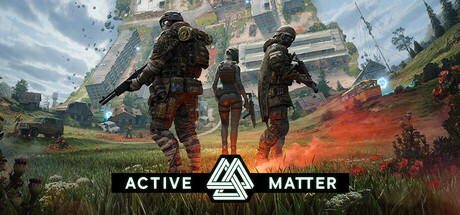
Powered by the Dagor Engine, the game delivers photorealistic military assets contrasted sharply against mind-bending, SCP-inspired surrealism. The visual showcase revolves around the 'Active Matter' anomalies—areas where gravity reverses, architecture folds onto itself like an M.C. Escher painting, and everyday objects (like a rusty Soviet car or a flowering bush) mutate into deadly threats. The lighting engine creates tense, high-contrast environments that perfectly suit the horror-adjacent tone. |
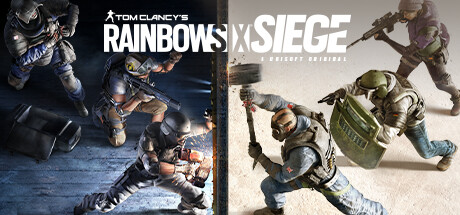
Running on the Anvil engine layered with RealBlast technology, the game's visuals prioritize procedural destruction over raw photorealism. Plaster explodes into dust, wooden barricades splinter dynamically based on where they are hit, and massive C4 charges tear giant holes through unreinforced floors, completely exposing the rooms above or below. The operators are visually distinct by design, allowing players to instantly identify targets (e.g., seeing Jäger's pilot helmet) and adjust their tactical approach in milliseconds. |
| Audio & Soundtrack | |
|
The audio experience is a massive highlight, featuring a haunting, atmospheric original soundtrack composed by the legendary Akira Yamaoka (Silent Hill). The sound design mixes the grounded, terrifyingly loud cracks of realistic gunfire with the surreal, cosmic hum of space-bending anomalies and the guttural shrieks of mutated survivors. Directional audio is critical for pinpointing rival operatives moving through rusty industrial complexes. |
Siege features an incredibly sophisticated sound propagation engine. Sound does not travel in a straight line through walls; it travels through the path of least resistance (open doors, bullet holes, or breached walls). A veteran player can precisely track an enemy's location purely by the sound of their heavy boots crunching on broken glass or the specific metallic rip of a C4 charge being primed. The musical score is tense and percussive, ramping up dynamically as the round timer counts down to the final seconds. |
| User Interface (UI/UX) | |
|
The UI embraces a tactical, immersive design standard for hardcore extraction shooters. Minimal on-screen clutter forces players to rely on situational awareness. Inventory management requires grid-based organization (Tetris-style), emphasizing the weight and space of every weapon, magazine, and piece of scavenged Active Matter. A 'Small Safe Container' allows players to permanently secure a few critical items even if they die in the raid. |
The HUD is highly functional and customizable. It displays a compass, health, remaining gadgets, and a timer. The most crucial UI element is the 'Ping' system, heavily refined over the years, allowing players to instantly mark enemy gadgets, locations, or cameras for their team without needing voice communication. In the prep phase, the UI shifts to the Drone/Camera view, a sterile overlay heavily utilized to gather pre-match intelligence on enemy setups. |
| Accessibility Options | |
|
As a hardcore extraction shooter, Active Matter is inherently punishing, focusing on high-stakes gameplay where death results in the loss of gear. However, the inclusion of dedicated PvE raids provides a slightly safer environment for newer players to learn the map layouts, mutant behaviors, and gunplay mechanics without the immediate stress of hyper-competitive PvP encounters. |
Ubisoft has continuously implemented accessibility features, including comprehensive optic color and opacity customization to combat colorblindness, allowing players to change the color of laser sights and scopes. The game also features text-to-speech, fully customizable crosshairs, and toggleable HUD elements to reduce visual overload. |
| video_library Media Links | |
| Gameplay Video | |
| launchWatch | launchWatch |
| Walkthrough/Guide | |
| launchView | launchView |
| settings_applications System Requirements | |
| 1080p (Full HD) - Recommended (High Preset, 1080p (60+ FPS Target)) CPU: Official recommended processors, providing enough multi-threaded overhead to eliminate stuttering during intense 4v4 syndicate firefights. CPU (Laptop): Ensures perfectly fluid frame pacing, critical for tracking fast-moving operatives and lining up sniper shots. GPU: Official recommended GPUs. Provides the necessary rasterization power to run the game with high-quality textures and anomaly effects without frame drops. GPU (Laptop): An excellent card that guarantees a locked, competitive 60+ FPS at 1080p on high settings. RAM: The official recommendation to ensure smooth loading and zero hitches during sudden environmental transitions. Storage: NVMe SSD. | |
memoryCPU: Intel Core i7-8700 / AMD Ryzen 5 3600 developer_boardGPU: NVIDIA GeForce RTX 2060 / AMD Radeon RX 5700 XT / ARC A770 laptop_macCPU (L): Intel Core i7-10750H / AMD Ryzen 7 4800H laptop_windowsGPU (L): NVIDIA GeForce RTX 3060 Mobile / RTX 4050 Mobile layersRAM: 16 GB saveStorage (Tier): 45 GB available space | memoryCPU: AMD Ryzen 5 3600 (3.6 GHz) / Intel Core i5-10400 (2.9 GHz) developer_boardGPU: NVIDIA GeForce RTX 2060 (6 GB) / AMD RX 6600 (8 GB) / Intel Arc A750 (8 GB) laptop_macCPU (L): Intel Core i7-10750H / AMD Ryzen 7 4800H laptop_windowsGPU (L): NVIDIA GeForce RTX 3060 Mobile layersRAM: 16 GB saveStorage (Tier): 65 GB available space |
| 1080p (Full HD) - Minimum (Low Preset, 1080p (30-60 FPS Target)) CPU: The official minimum processors required to handle the baseline game logic, mutant AI, and weapon ballistics. CPU (Laptop): Older quad-core mobile CPUs will struggle on larger maps but can run the game at minimum settings with upscaling. GPU: The official minimum GPUs. A 4GB VRAM buffer is the absolute floor for the game's detailed environments. GPU (Laptop): Capable of providing a playable 1080p experience on low settings. RAM: Official minimum required system memory, though 16GB is practically required to prevent page-filing stutters. Storage: SSD drive explicitly required. | |
memoryCPU: Intel Core i5-6600 or AMD Ryzen 3 1300X developer_boardGPU: NVIDIA GeForce GTX 1050 Ti / AMD Radeon RX 470 / Intel ARC A580 laptop_macCPU (L): Intel Core i5-8300H / AMD Ryzen 5 3550H laptop_windowsGPU (L): NVIDIA GeForce GTX 1650 Mobile layersRAM: 8 GB saveStorage (Tier): 45 GB available space | memoryCPU: AMD Ryzen 3 3100 (3.6 GHz) / Intel Core i3-8100 (3.6 GHz) developer_boardGPU: NVIDIA GeForce GTX 1650 (4 GB) / AMD RX 5500 XT (4 GB) / Intel Arc A380 (6 GB) laptop_macCPU (L): Intel Core i5-8300H / AMD Ryzen 5 3550H laptop_windowsGPU (L): NVIDIA GeForce GTX 1650 Mobile layersRAM: 8 GB saveStorage (Tier): 65 GB available space |
| 1440p (QHD/2K) - Enthusiast (Ultra Preset, 1440p (60+ FPS Target)) CPU: Modern mid-to-high end CPUs provide massive overhead, ensuring AI pathfinding and physics don't halt the render thread. CPU (Laptop): Easily powers the game's logic while driving higher resolution laptop displays. GPU: Handles the increased pixel count cleanly, ensuring razor-sharp visuals on distant enemy silhouettes. GPU (Laptop): Provides the necessary compute overhead for 1440p rendering on portable panels. RAM: Optimal configuration for modern systems. Storage: NVMe SSD. | |
memoryCPU: Intel Core i5-12600K / AMD Ryzen 5 5600X developer_boardGPU: NVIDIA GeForce RTX 3070 Ti / AMD Radeon RX 6700 XT laptop_macCPU (L): Intel Core i7-12700H / AMD Ryzen 7 6800H laptop_windowsGPU (L): NVIDIA GeForce RTX 3070 Ti Mobile / RTX 4070 Mobile layersRAM: 16 GB saveStorage (Tier): 45 GB available space | memoryCPU: AMD Ryzen 5 3600 (3.6 GHz) / Intel Core i5-10400 (2.9 GHz) developer_boardGPU: NVIDIA GeForce RTX 3070 (8 GB) / AMD RX 6700 XT (8 GB) / Intel Arc B580 (12 GB) laptop_macCPU (L): Intel Core i7-11800H / AMD Ryzen 7 5800H laptop_windowsGPU (L): NVIDIA GeForce RTX 3070 Ti Mobile / RTX 4060 Mobile layersRAM: 16 GB saveStorage (Tier): 65 GB available space |
| 2160p (UHD/4K) - Ultra (Max Preset, 4K (60 FPS with DLSS/FSR Quality)) CPU: Ensures absolutely no bottlenecks at the highest visual fidelity. CPU (Laptop): Desktop-grade performance in a mobile chassis. GPU: Powers the grueling 4K resolution, rendering the shifting gravitational anomalies and detailed military weaponry flawlessly. GPU (Laptop): Required to maintain a stable 4K frame rate on an external display. RAM: Maximizes system stability and ensures zero background application interference. Storage: Gen4 NVMe SSD. | |
memoryCPU: Intel Core i7-13700K / AMD Ryzen 7 7800X3D developer_boardGPU: NVIDIA GeForce RTX 4080 / AMD Radeon RX 7900 XTX laptop_macCPU (L): Intel Core i9-13900HX laptop_windowsGPU (L): NVIDIA GeForce RTX 4080 Mobile layersRAM: 32 GB saveStorage (Tier): 45 GB available space | memoryCPU: AMD Ryzen 5 5600X (3.7 GHz) / Intel Core i5-11600K (3.9 GHz) developer_boardGPU: NVIDIA GeForce RTX 4070 Ti Super (16 GB) / AMD RX 7900 XT (20 GB) laptop_macCPU (L): Intel Core i9-13900HX / AMD Ryzen 9 7945HX laptop_windowsGPU (L): NVIDIA GeForce RTX 4080 Mobile layersRAM: 16 GB saveStorage (Tier): 110 GB available space |
| save Overall Storage | |
Spec: 45 GB available space Note: An SSD is explicitly required. Loading into an extraction raid on a mechanical HDD will result in severe stutters and late spawns, leaving players highly vulnerable. Type: Unknown | Spec: 65 GB available space (110 GB for 4K Ultra textures) Note: An SSD is explicitly required by Ubisoft's updated specifications to ensure lightning-fast map loading times, preventing players from holding up the entire lobby. Type: Unknown |
| desktop_windows Operating System | |
| Spec: Windows 10/11 (64bit) Explanation: A 64-bit operating system is strictly required to address the memory allocation necessary for loading seamless, high-fidelity quantum zones. | Spec: Windows 10 / Windows 11 (64-bit versions required) Explanation: A 64-bit OS is officially required to effectively manage system memory and the game's anti-cheat software (BattlEye). |
| gamepad DirectX Version | |
| Spec: Version 12 Explanation: DirectX 12 is officially utilized to enable advanced rendering techniques and handle the complex, dynamic lighting generated by the anomalous environments. | Spec: DirectX 12 Explanation: Recent updates have transitioned the game's APIs, providing optimal draw calls and improved multi-threading performance over the legacy DirectX 11 versions. |
| info_outline Other Game Notes | |
|
|
| build Optimization Details | |
|
|
| laptop Laptop Considerations | |
|
|
info_outline Feature details based on available data. System requirements and performance estimates may vary.
laptop_chromebook Laptop Recommendations
Common Recommendations (Handles All Compared Games)

- memory Intel Core i7-12700H
- developer_board NVIDIA GeForce RTX 3070
- layers 32GB DDR4-3200MHz
- track_changes Target GPU: NVIDIA GeForce GTX 1650 Mobile

- memory Intel Core i9-13900H
- developer_board NVIDIA GeForce RTX 4060
- layers 16GB DDR5-5200MHz
- track_changes Target GPU: NVIDIA GeForce GTX 1650 Mobile

- memory Intel Core i9-14900HX
- developer_board NVIDIA GeForce RTX 4060
- layers 32GB DDR5-5600MHz
- track_changes Target GPU: NVIDIA GeForce GTX 1650 Mobile

- memory Intel Core i9-12900H
- developer_board NVIDIA GeForce RTX 3070 Ti
- layers 16GB DDR5-4800MHz
- track_changes Target GPU: NVIDIA GeForce RTX 3070 Ti Mobile / RTX 4070 Mobile / NVIDIA GeForce RTX 3070 Ti Mobile / RTX 4060 Mobile

- memory AMD Ryzen 7 7435HS
- developer_board NVIDIA GeForce RTX 3050
- layers 32GB DDR5-4800MHz
- track_changes Target GPU: NVIDIA GeForce RTX 3070 Ti Mobile / RTX 4070 Mobile / NVIDIA GeForce RTX 3070 Ti Mobile / RTX 4060 Mobile

- memory Intel Core i9-14900HX
- developer_board NVIDIA GeForce RTX 4070
- layers 32GB DDR5-5600MHz
- track_changes Target GPU: NVIDIA GeForce RTX 3070 Ti Mobile / RTX 4070 Mobile / NVIDIA GeForce RTX 3070 Ti Mobile / RTX 4060 Mobile

- memory Intel Core i9-14900HX
- developer_board NVIDIA GeForce RTX 4080 Laptop GPU
- layers 64 GB DDR5-5600MHz
- track_changes Target GPU: NVIDIA GeForce RTX 4080 Mobile

- memory Intel Core Ultra 9 Processor 275HX (Series 2)
- developer_board NVIDIA GeForce RTX 5070 Laptop GPU
- layers 32GB DDR5-5600MHz
- track_changes Target GPU: NVIDIA GeForce RTX 4080 Mobile

- memory Intel Core i9-14900HX Processor
- developer_board NVIDIA GeForce RTX 5070 Laptop GPU
- layers 32GB DDR5-5600MHz
- track_changes Target GPU: NVIDIA GeForce RTX 4080 Mobile
For Active Matter Specifically
- memory Intel Core i7-12700H
- developer_board NVIDIA GeForce RTX 3070
- layers 32GB DDR4-3200MHz
- track_changes Target GPU: NVIDIA GeForce GTX 1050 Ti / AMD Radeon RX 470 / Intel ARC A580
- memory Intel Core i9-13900H
- developer_board NVIDIA GeForce RTX 4060
- layers 16GB DDR5-5200MHz
- track_changes Target GPU: NVIDIA GeForce GTX 1050 Ti / AMD Radeon RX 470 / Intel ARC A580
- memory Intel Core i9-14900HX
- developer_board NVIDIA GeForce RTX 4060
- layers 32GB DDR5-5600MHz
- track_changes Target GPU: NVIDIA GeForce GTX 1050 Ti / AMD Radeon RX 470 / Intel ARC A580
- memory Intel Core i9-12900H
- developer_board NVIDIA GeForce RTX 3070 Ti
- layers 16GB DDR5-4800MHz
- track_changes Target GPU: NVIDIA GeForce GTX 1050 Ti / AMD Radeon RX 470 / Intel ARC A580

- memory Intel Core i5-12450H
- developer_board NVIDIA GeForce RTX 3050
- layers 16GB DDR4-3200MHz
- track_changes Target GPU: NVIDIA GeForce GTX 1050 Ti / AMD Radeon RX 470 / Intel ARC A580

- memory Intel Core i5-12500H
- developer_board NVIDIA GeForce RTX 3050 Ti
- layers 16GB DDR4-3200MHz
- track_changes Target GPU: NVIDIA GeForce GTX 1050 Ti / AMD Radeon RX 470 / Intel ARC A580
- memory AMD Ryzen 7 7435HS
- developer_board NVIDIA GeForce RTX 3050
- layers 32GB DDR5-4800MHz
- track_changes Target GPU: NVIDIA GeForce GTX 1050 Ti / AMD Radeon RX 470 / Intel ARC A580

- memory AMD Ryzen 7 6800H
- developer_board NVIDIA GeForce RTX 3060
- layers 16GB DDR5-4800MHz
- track_changes Target GPU: NVIDIA GeForce GTX 1050 Ti / AMD Radeon RX 470 / Intel ARC A580

- memory AMD Ryzen 9 5900HS
- developer_board NVIDIA GeForce RTX 3080
- layers 16GB DDR4-3200MHz
- track_changes Target GPU: NVIDIA GeForce GTX 1050 Ti / AMD Radeon RX 470 / Intel ARC A580

- memory Intel Core i7-13620H
- developer_board NVIDIA GeForce RTX 4070
- layers 16GB DDR5-4800MHz
- track_changes Target GPU: NVIDIA GeForce GTX 1050 Ti / AMD Radeon RX 470 / Intel ARC A580

- memory Intel Core i7-14700HX
- developer_board NVIDIA GeForce RTX 4070
- layers 16GB DDR5-5600MHz
- track_changes Target GPU: NVIDIA GeForce RTX 2060 / AMD Radeon RX 5700 XT / ARC A770
- memory Intel Core i9-14900HX
- developer_board NVIDIA GeForce RTX 4070
- layers 32GB DDR5-5600MHz
- track_changes Target GPU: NVIDIA GeForce RTX 2060 / AMD Radeon RX 5700 XT / ARC A770
- memory Intel Core i9-12900H
- developer_board NVIDIA GeForce RTX 3070 Ti
- layers 16GB DDR5-4800MHz
- track_changes Target GPU: NVIDIA GeForce RTX 3070 Ti / AMD Radeon RX 6700 XT
- memory AMD Ryzen 7 7435HS
- developer_board NVIDIA GeForce RTX 3050
- layers 32GB DDR5-4800MHz
- track_changes Target GPU: NVIDIA GeForce RTX 3070 Ti / AMD Radeon RX 6700 XT
- memory Intel Core i9-14900HX
- developer_board NVIDIA GeForce RTX 4070
- layers 32GB DDR5-5600MHz
- track_changes Target GPU: NVIDIA GeForce RTX 3070 Ti / AMD Radeon RX 6700 XT

- memory Intel Core i9-14900HX
- developer_board NVIDIA GeForce RTX 4070
- layers 16GB DDR5-5600MHz
- track_changes Target GPU: NVIDIA GeForce RTX 3070 Ti / AMD Radeon RX 6700 XT

- memory Intel Core Ultra 7 255H
- developer_board NVIDIA GeForce RTX 5060 Laptop GPU
- layers 16GB DDR5-5600MHz (Dual-Channel)
- track_changes Target GPU: NVIDIA GeForce RTX 3070 Ti / AMD Radeon RX 6700 XT

- memory AMD Ryzen 9 8940HX Processor
- developer_board NVIDIA GeForce RTX 5060 Laptop GPU
- layers 32GB DDR5-5200MHz
- track_changes Target GPU: NVIDIA GeForce RTX 3070 Ti / AMD Radeon RX 6700 XT

- memory Intel Core i9-12950HX
- developer_board NVIDIA GeForce RTX 3080 Ti
- layers 32GB DDR5-4800MHz
- track_changes Target GPU: NVIDIA GeForce RTX 3070 Ti / AMD Radeon RX 6700 XT

- memory AMD Ryzen 7 7445HS
- developer_board NVIDIA GeForce RTX 4050
- layers 16GB (2x8GB) DDR5 5600MHz SO-DIMM
- track_changes Target GPU: NVIDIA GeForce RTX 3070 Ti / AMD Radeon RX 6700 XT

- memory AMD Ryzen 7 7445HS
- developer_board NVIDIA GeForce RTX 4050
- layers 16GB DDR5 5600MHz SO-DIMM
- track_changes Target GPU: NVIDIA GeForce RTX 3070 Ti / AMD Radeon RX 6700 XT
- memory Intel Core i9-14900HX
- developer_board NVIDIA GeForce RTX 4080 Laptop GPU
- layers 64 GB DDR5-5600MHz
- track_changes Target GPU: NVIDIA GeForce RTX 3070 Ti / AMD Radeon RX 6700 XT
- memory Intel Core i9-14900HX
- developer_board NVIDIA GeForce RTX 4080 Laptop GPU
- layers 64 GB DDR5-5600MHz
- track_changes Target GPU: NVIDIA GeForce RTX 4080 / AMD Radeon RX 7900 XTX
- memory Intel Core Ultra 9 Processor 275HX (Series 2)
- developer_board NVIDIA GeForce RTX 5070 Laptop GPU
- layers 32GB DDR5-5600MHz
- track_changes Target GPU: NVIDIA GeForce RTX 4080 / AMD Radeon RX 7900 XTX
- memory Intel Core i9-14900HX Processor
- developer_board NVIDIA GeForce RTX 5070 Laptop GPU
- layers 32GB DDR5-5600MHz
- track_changes Target GPU: NVIDIA GeForce RTX 4080 / AMD Radeon RX 7900 XTX

- memory Intel Core i9-14900HX Processor
- developer_board NVIDIA GeForce RTX 5070 Laptop GPU
- layers 32GB DDR5-5600MHz
- track_changes Target GPU: NVIDIA GeForce RTX 4080 / AMD Radeon RX 7900 XTX

- memory Intel Core Ultra 9 285H (Arrow Lake-H)
- developer_board NVIDIA GeForce RTX 5070 Laptop GPU
- layers 64GB LPDDR5x-8533MT/s (LPCAMM2)
- track_changes Target GPU: NVIDIA GeForce RTX 4080 / AMD Radeon RX 7900 XTX

- memory AMD Ryzen 9 7945HX
- developer_board NVIDIA GeForce RTX 4080
- layers 32GB DDR5
- track_changes Target GPU: NVIDIA GeForce RTX 4080 / AMD Radeon RX 7900 XTX

- memory Intel Core i9-14900HX
- developer_board NVIDIA GeForce RTX 4080
- layers 64GB DDR5-5600MHz
- track_changes Target GPU: NVIDIA GeForce RTX 4080 / AMD Radeon RX 7900 XTX

- memory Intel Core i9-14900HX
- developer_board NVIDIA GeForce RTX 4080
- layers 32GB DDR5-5600MHz
- track_changes Target GPU: NVIDIA GeForce RTX 4080 / AMD Radeon RX 7900 XTX

- memory Intel Core i9-14900HX
- developer_board NVIDIA GeForce RTX 4080
- layers 32GB DDR5-5600MHz
- track_changes Target GPU: NVIDIA GeForce RTX 4080 / AMD Radeon RX 7900 XTX

- memory Intel Core i9-14900HX
- developer_board NVIDIA GeForce RTX 4080
- layers 32GB DDR5-5600MHz
- track_changes Target GPU: NVIDIA GeForce RTX 4080 / AMD Radeon RX 7900 XTX
For Tom Clancy's Rainbow Six Siege Specifically
- memory Intel Core i7-12700H
- developer_board NVIDIA GeForce RTX 3070
- layers 32GB DDR4-3200MHz
- track_changes Target GPU: NVIDIA GeForce GTX 1650 (4 GB) / AMD RX 5500 XT (4 GB) / Intel Arc A380 (6 GB)
- memory Intel Core i9-13900H
- developer_board NVIDIA GeForce RTX 4060
- layers 16GB DDR5-5200MHz
- track_changes Target GPU: NVIDIA GeForce GTX 1650 (4 GB) / AMD RX 5500 XT (4 GB) / Intel Arc A380 (6 GB)
- memory Intel Core i9-14900HX
- developer_board NVIDIA GeForce RTX 4060
- layers 32GB DDR5-5600MHz
- track_changes Target GPU: NVIDIA GeForce GTX 1650 (4 GB) / AMD RX 5500 XT (4 GB) / Intel Arc A380 (6 GB)
- memory Intel Core i9-12900H
- developer_board NVIDIA GeForce RTX 3070 Ti
- layers 16GB DDR5-4800MHz
- track_changes Target GPU: NVIDIA GeForce GTX 1650 (4 GB) / AMD RX 5500 XT (4 GB) / Intel Arc A380 (6 GB)
- memory Intel Core i5-12450H
- developer_board NVIDIA GeForce RTX 3050
- layers 16GB DDR4-3200MHz
- track_changes Target GPU: NVIDIA GeForce GTX 1650 (4 GB) / AMD RX 5500 XT (4 GB) / Intel Arc A380 (6 GB)
- memory Intel Core i5-12500H
- developer_board NVIDIA GeForce RTX 3050 Ti
- layers 16GB DDR4-3200MHz
- track_changes Target GPU: NVIDIA GeForce GTX 1650 (4 GB) / AMD RX 5500 XT (4 GB) / Intel Arc A380 (6 GB)
- memory AMD Ryzen 7 7435HS
- developer_board NVIDIA GeForce RTX 3050
- layers 32GB DDR5-4800MHz
- track_changes Target GPU: NVIDIA GeForce GTX 1650 (4 GB) / AMD RX 5500 XT (4 GB) / Intel Arc A380 (6 GB)
- memory AMD Ryzen 7 6800H
- developer_board NVIDIA GeForce RTX 3060
- layers 16GB DDR5-4800MHz
- track_changes Target GPU: NVIDIA GeForce GTX 1650 (4 GB) / AMD RX 5500 XT (4 GB) / Intel Arc A380 (6 GB)
- memory AMD Ryzen 9 5900HS
- developer_board NVIDIA GeForce RTX 3080
- layers 16GB DDR4-3200MHz
- track_changes Target GPU: NVIDIA GeForce GTX 1650 (4 GB) / AMD RX 5500 XT (4 GB) / Intel Arc A380 (6 GB)
- memory Intel Core i7-13620H
- developer_board NVIDIA GeForce RTX 4070
- layers 16GB DDR5-4800MHz
- track_changes Target GPU: NVIDIA GeForce GTX 1650 (4 GB) / AMD RX 5500 XT (4 GB) / Intel Arc A380 (6 GB)
- memory Intel Core i7-14700HX
- developer_board NVIDIA GeForce RTX 4070
- layers 16GB DDR5-5600MHz
- track_changes Target GPU: NVIDIA GeForce RTX 2060 (6 GB) / AMD RX 6600 (8 GB) / Intel Arc A750 (8 GB)
- memory Intel Core i9-14900HX
- developer_board NVIDIA GeForce RTX 4070
- layers 32GB DDR5-5600MHz
- track_changes Target GPU: NVIDIA GeForce RTX 2060 (6 GB) / AMD RX 6600 (8 GB) / Intel Arc A750 (8 GB)
- memory Intel Core i9-12900H
- developer_board NVIDIA GeForce RTX 3070 Ti
- layers 16GB DDR5-4800MHz
- track_changes Target GPU: NVIDIA GeForce RTX 3070 (8 GB) / AMD RX 6700 XT (8 GB) / Intel Arc B580 (12 GB)
- memory AMD Ryzen 7 7435HS
- developer_board NVIDIA GeForce RTX 3050
- layers 32GB DDR5-4800MHz
- track_changes Target GPU: NVIDIA GeForce RTX 3070 (8 GB) / AMD RX 6700 XT (8 GB) / Intel Arc B580 (12 GB)
- memory AMD Ryzen 7 6800H
- developer_board NVIDIA GeForce RTX 3060
- layers 16GB DDR5-4800MHz
- track_changes Target GPU: NVIDIA GeForce RTX 3070 (8 GB) / AMD RX 6700 XT (8 GB) / Intel Arc B580 (12 GB)
- memory AMD Ryzen 9 5900HS
- developer_board NVIDIA GeForce RTX 3080
- layers 16GB DDR4-3200MHz
- track_changes Target GPU: NVIDIA GeForce RTX 3070 (8 GB) / AMD RX 6700 XT (8 GB) / Intel Arc B580 (12 GB)
- memory Intel Core i7-13620H
- developer_board NVIDIA GeForce RTX 4070
- layers 16GB DDR5-4800MHz
- track_changes Target GPU: NVIDIA GeForce RTX 3070 (8 GB) / AMD RX 6700 XT (8 GB) / Intel Arc B580 (12 GB)
- memory Intel Core i7-14700HX
- developer_board NVIDIA GeForce RTX 4070
- layers 16GB DDR5-5600MHz
- track_changes Target GPU: NVIDIA GeForce RTX 3070 (8 GB) / AMD RX 6700 XT (8 GB) / Intel Arc B580 (12 GB)
- memory Intel Core i9-14900HX
- developer_board NVIDIA GeForce RTX 4070
- layers 32GB DDR5-5600MHz
- track_changes Target GPU: NVIDIA GeForce RTX 3070 (8 GB) / AMD RX 6700 XT (8 GB) / Intel Arc B580 (12 GB)
- memory Intel Core i9-14900HX
- developer_board NVIDIA GeForce RTX 4070
- layers 16GB DDR5-5600MHz
- track_changes Target GPU: NVIDIA GeForce RTX 3070 (8 GB) / AMD RX 6700 XT (8 GB) / Intel Arc B580 (12 GB)
- memory Intel Core Ultra 7 255H
- developer_board NVIDIA GeForce RTX 5060 Laptop GPU
- layers 16GB DDR5-5600MHz (Dual-Channel)
- track_changes Target GPU: NVIDIA GeForce RTX 3070 (8 GB) / AMD RX 6700 XT (8 GB) / Intel Arc B580 (12 GB)
- memory AMD Ryzen 9 8940HX Processor
- developer_board NVIDIA GeForce RTX 5060 Laptop GPU
- layers 32GB DDR5-5200MHz
- track_changes Target GPU: NVIDIA GeForce RTX 3070 (8 GB) / AMD RX 6700 XT (8 GB) / Intel Arc B580 (12 GB)
- memory Intel Core i9-14900HX
- developer_board NVIDIA GeForce RTX 4080 Laptop GPU
- layers 64 GB DDR5-5600MHz
- track_changes Target GPU: NVIDIA GeForce RTX 4070 Ti Super (16 GB) / AMD RX 7900 XT (20 GB)
- memory Intel Core Ultra 9 Processor 275HX (Series 2)
- developer_board NVIDIA GeForce RTX 5070 Laptop GPU
- layers 32GB DDR5-5600MHz
- track_changes Target GPU: NVIDIA GeForce RTX 4070 Ti Super (16 GB) / AMD RX 7900 XT (20 GB)
- memory Intel Core i9-14900HX Processor
- developer_board NVIDIA GeForce RTX 5070 Laptop GPU
- layers 32GB DDR5-5600MHz
- track_changes Target GPU: NVIDIA GeForce RTX 4070 Ti Super (16 GB) / AMD RX 7900 XT (20 GB)
- memory Intel Core i9-14900HX Processor
- developer_board NVIDIA GeForce RTX 5070 Laptop GPU
- layers 32GB DDR5-5600MHz
- track_changes Target GPU: NVIDIA GeForce RTX 4070 Ti Super (16 GB) / AMD RX 7900 XT (20 GB)

- memory Intel Core Ultra 9 Processor 285H
- developer_board NVIDIA GeForce RTX 5070 Laptop GPU
- layers 16GB DDR5-5600MHz
- track_changes Target GPU: NVIDIA GeForce RTX 4070 Ti Super (16 GB) / AMD RX 7900 XT (20 GB)
- memory Intel Core Ultra 9 285H (Arrow Lake-H)
- developer_board NVIDIA GeForce RTX 5070 Laptop GPU
- layers 64GB LPDDR5x-8533MT/s (LPCAMM2)
- track_changes Target GPU: NVIDIA GeForce RTX 4070 Ti Super (16 GB) / AMD RX 7900 XT (20 GB)
- memory AMD Ryzen 9 7945HX
- developer_board NVIDIA GeForce RTX 4080
- layers 32GB DDR5
- track_changes Target GPU: NVIDIA GeForce RTX 4070 Ti Super (16 GB) / AMD RX 7900 XT (20 GB)
- memory Intel Core i9-14900HX
- developer_board NVIDIA GeForce RTX 4080
- layers 64GB DDR5-5600MHz
- track_changes Target GPU: NVIDIA GeForce RTX 4070 Ti Super (16 GB) / AMD RX 7900 XT (20 GB)
- memory Intel Core i9-14900HX
- developer_board NVIDIA GeForce RTX 4080
- layers 32GB DDR5-5600MHz
- track_changes Target GPU: NVIDIA GeForce RTX 4070 Ti Super (16 GB) / AMD RX 7900 XT (20 GB)
- memory Intel Core i9-14900HX
- developer_board NVIDIA GeForce RTX 4080
- layers 32GB DDR5-5600MHz
- track_changes Target GPU: NVIDIA GeForce RTX 4070 Ti Super (16 GB) / AMD RX 7900 XT (20 GB)
info_outline Laptop recommendations are estimates based on available component benchmarks and game requirements. Actual performance may vary depending on settings, drivers, cooling, power limits, etc. Prices and availability subject to change. As an Amazon Associate, we earn from qualifying purchases.