Select Games to Compare

search close
search close

Select up to 2 games to compare side-by-side.

💻
Mobile Hardware & Thermal Intelligence (2026)
Gaming on a Laptop? Check Real-World Compatibility

Benchmark your exact mobile GPU wattage (TGP), battery throttling drops, and cooling pad requirements for these games.

Test Laptop Specs → ⚖️ Compare Laptops

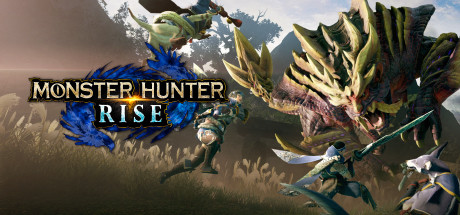
MONSTER HUNTER RISE vs Borderlands 3

close close
info General Information
Release Date
Jan 12, 2022 Sep 13, 2019
Developer
CAPCOM Co., Ltd. Gearbox Software (additional development by Gearbox Studio Quebec)
Publisher
CAPCOM Co., Ltd. 2K Games
Genre(s)
Action, RPG, Action-Adventure, Hunting, Co-Op Multiplayer Action RPG, Looter Shooter, First-Person Shooter, Co-op
Engine
RE Engine Unreal Engine 4
stars Ratings & Price
Content Rating
Teen M (Mature 17+) - ESRB Descriptors: Intense Violenc
Avg. User Rating
4.5 / 5.0 4.0 / 5.0
Current Price (USD)
$39.99 $59.99
tune Key Specs
Quick Highlights
  • Platforms: PC (Steam, Windows), Nintendo Switch, PlayStation 4, PlayStation 5, Xbox One, Xbox Series X/S
  • Max Players: 4 Player Online Co-Op
  • Release Date: January 12, 2022 (PC)
  • Perspective: First-Person
  • Multiplayer: Up to 4-player Online Co-op, LAN Co-op, Cross-Platform Multiplayer (most platforms)
  • Setting: Multiple Planets (Pandora, Promethea, Eden-6, etc.)
  • Platforms: PC (Windows, macOS), PlayStation 4, PlayStation 5, Xbox One, Xbox Series X/S, Google Stadia, Nintendo Switch (Ultimate Edition)
  • Unique Feature: Bazillions of procedurally generated guns, four distinct Vault Hunter classes with deep skill trees, signature cel-shaded art style and humor, multi-planet exploration, robust co-op gameplay.
sports_esports Gameplay & Mechanics
Companions/Followers
  • Palamute: A loyal, rideable canine companion. Players can mount it to rapidly traverse the map without depleting stamina, even using items and sharpening weapons while moving.
    Canyne Mount
  • Palico: The classic, talking cat companion. It fights alongside the player, utilizing specialized gadgets to place traps, steal monster parts, or deploy healing bubbles.
    Felyne Support
  • FL4K's Pets (Skag, Spiderant, Jabber): FL4K, the Beastmaster, can choose one of three loyal pets to fight alongside them. Each pet has unique abilities, attacks, and can be upgraded through FL4K's skill trees. Pets can draw aggro, deal damage, and provide buffs. They are a core part of FL4K's gameplay.
    Various alien creatures
  • Moze's Iron Bear: Moze, the Gunner, can summon her bipedal Iron Bear mech as an Action Skill. Iron Bear is equipped with customizable heavy weapons on each arm (e.g., miniguns, grenade launchers, railguns, flamethrowers, melee fists) and provides significant firepower and protection for a limited time.
    Mech Suit
  • Zane's SNTNL Drone & Digi-Clone: Zane, the Operative, can deploy a SNTNL combat drone that flies around attacking enemies with machine guns or rockets. He can also deploy a Digi-Clone of himself that distracts enemies and fires at them; Zane can swap places with his clone. These are Action Skills with cooldowns.
    Robotic Drone / Holographic Clone
  • Co-op Player Characters (Vault Hunters): In co-operative multiplayer, other players join as their chosen Vault Hunters, each with their own unique skills and abilities, acting as active companions.
    Human/Siren/Robot
Key Collectibles
  • Relic Records: Hidden glowing swords scattered in obscure, hard-to-reach places across the maps requiring skilled Wirebug parkour. Collecting them unlocks deep lore and room decorations.
  • Endemic Life: Small creatures scattered across the biomes (like Spiribirds, Stinkminks, and Paratoads) that provide crucial passive buffs or active hunting tools during a quest.
  • Crown Sizes: An infamous endgame grind where dedicated hunters kill hundreds of the same monster attempting to record its absolute smallest and largest physical sizes in the hunter's notes.
  • Typhon Logs & Dead Drops: Audio logs left by the first Vault Hunter, Typhon DeLeon, detailing his adventures and discoveries. Finding all three logs in a zone reveals the location of a Typhon Dead Drop, a hidden loot cache.
  • Eridian Writings: Ancient alien texts scattered across the planets. After acquiring an Eridian Analyzer, players can decipher these writings to gain XP and Eridium, and uncover more lore about the Eridians and Vaults.
  • Dead Claptraps: Parts from deceased Claptrap units that can be salvaged to help Claptrap build a new friend. Each part provides Eridium.
  • Crew Challenges (Various Types): A category of collectibles and repeatable activities specific to different NPCs and planets. Includes: - **Legendary Hunts:** (Sir Hammerlock) Defeating unique, powerful creatures. - **Targets of Opportunity:** (Zer0) Assassinating specific high-value targets. - **Crimson Radio:** (Moxxi) Sabotaging Children of the Vault propaganda towers. - **Hijack Target:** (Ellie) Stealing specific vehicle parts to unlock them for the Catch-A-Ride system.
  • Red Chests: Special chests containing higher-quality loot, often found in hidden areas or at the end of dungeons/challenges.
  • Vault Symbols & Eridium Piles: Hidden Vault symbols that can be found, and destructible Eridium crystal piles that yield Eridium currency (used for cosmetics and end-game purchases).
Key Themes
  • Monster Hunting
  • Ninja and Samurai Aesthetics
  • Japanese Folklore
  • Co-Op Survival
  • Crafting and Gathering
  • Beast Riding
  • Loot & Mayhem
  • Dark Humor
  • Cults & Propaganda
  • Space Exploration & Multiple Planets
  • Corporate Greed (Weapon Manufacturers)
  • Found Family
  • Cel-Shaded Art Style
  • Over-the-Top Action
  • Satire
  • Anarchy
colorize Combat & Gear
Weapons Overview
  • Long Sword: Melee / Counter Focus
    A highly fluid weapon with extensive reach. It relies heavily on foresight and timing, utilizing perfectly timed counters to level up its Spirit Gauge for massive burst damage.
  • Great Sword: Heavy Melee
    The quintessential slow but devastating weapon. It requires deep knowledge of a monster's positioning to land a fully charged, devastating True Charged Slash.
  • Light Bowgun (LBG): Ranged Weapon
    A highly mobile ranged weapon that allows hunters to strafe and continuously fire elemental or status-inflicting ammunition from a safe distance.
  • Procedurally Generated Firearms: Varies (Pistols, SMGs, Shotguns, Assault Rifles, Sniper Rifles, Rocket Launchers, Heavy Weapons)
    The core of Borderlands: 'bazillions' of guns with randomly generated parts, stats, elemental effects (Incendiary, Shock, Corrosive, Cryo, Radiation), and special properties. Guns come in different rarities (Common to Legendary/Pearlescent). Anointed gear grants powerful bonuses tied to Action Skill usage.
  • Weapon Manufacturers (Examples): Varies (Determines Gun Characteristics)
    Each manufacturer has unique traits: **Jakobs** (high critical damage, ricocheting bullets, old-west aesthetic), **Maliwan** (elemental damage focus, charge-up times, dual elements), **Tediore** (guns are thrown like grenades when reloaded, then digistruct a new one), **Hyperion** (accuracy increases with sustained fire, deployable weapon shields when aiming), **Torgue** (explosive projectiles, sticky mode), **Dahl** (alternate fire modes - burst, full-auto, semi-auto), **Vladof** (high fire rate, under-barrel attachments like rockets/shotguns), **Atlas** (tracker tags for homing bullets), **COV (Children of the Vault)** ('infinite' ammo with overheat mechanic instead of traditional reloads).
  • Grenade Mods: Throwable Explosive/Utility
    Various grenade mods with diverse effects, including singularities, MIRVs (multiple explosions), transfusions (health stealing), elemental damage, and utility effects like teleportation or enemy grouping.
  • Shields: Defensive Gear
    Provide a regenerating energy shield that absorbs damage before health is affected. Shields have various capacities, recharge rates, recharge delays, and can have special properties like elemental resistance/nova bursts, damage boosting, or health regeneration.
  • Class Mods: Character Augment Gear
    Equippable items specific to each Vault Hunter class. They provide boosts to specific skills (even allowing skills to be over-leveled) and often grant passive stat increases or unique class-specific perks.
  • Artifacts: Utility Gear
    Provide powerful passive bonuses, often affecting movement (like enabling slam or slide anointments), elemental damage, melee damage, or providing unique utility effects like health regeneration or loot quality improvements.
Armor / Gear Sets
  • Kamura Set: The default starting armor for new hunters. It provides minimal physical defense but offers basic utility skills like Wall Runner and Wirebug Whisperer to ease players into the new mechanics.
  • Sinister Set: Crafted from Magnamalo parts. It boasts high defense and the unique 'Hellfire Cloak' skill, allowing the player to safely harness and weaponize the monster's explosive purple flames.
  • Layered Armor: An endgame cosmetic system. It allows players to equip ugly, mismatched armor sets for their optimal stats, while visually covering them up with any other armor set design they have unlocked.
  • Shields: Primary defensive gear. Shields have varying capacities, recharge rates, recharge delays, and can possess special properties from different manufacturers (e.g., Pangolin - high capacity; Anshin - elemental resistance; Hyperion - amp damage on depletion). Legendary and unique shields offer powerful, build-defining effects.
  • Class Mods: Class-specific items that grant points to skills in the Vault Hunter's skill trees (potentially pushing them beyond their normal maximum) and provide additional passive stat bonuses or unique perks that synergize with specific builds.
  • Artifacts: Equippable Eridian artifacts that provide significant passive bonuses and unique effects. These can include elemental damage boosts, improved slide/slam mechanics, increased luck, health regeneration effects, or anointments that trigger on action skill use or other conditions.
Outfits/Customization
  • Ninja / Samurai Aesthetics: Extensive character creation allows players to craft traditional top-knots, face paint, and don armor heavily inspired by feudal Japanese warriors.
  • Event Quest Cosplay: Completing specific event quests unlocks unique, goofy, or crossover layered armor, such as dressing up as Sonic the Hedgehog or wearing a massive, faux-leather biker jacket.
  • Buddy Armor: Players can craft miniature, highly detailed versions of every monster's armor set specifically for their Palamute and Palico companions.
  • Vault Hunter Heads: Unlockable and purchasable cosmetic heads that change the appearance of the player character's head. A wide variety of styles are available, from serious to outlandish.
  • Vault Hunter Skins: Cosmetic skins that alter the color scheme and patterns of the Vault Hunter's default outfit. Can be unlocked through gameplay, purchased, or obtained via special events and DLCs (e.g., Multiverse Final Form & Disciples of the Vault Cosmetic Packs).
  • Weapon Skins: Cosmetic skins that can be applied to weapons to change their appearance without affecting stats. Examples include the Butt Stallion weapon skin or Gold Weapon Skins Pack (pre-order/deluxe bonuses).
  • Weapon Trinkets: Small cosmetic charms that can be attached to weapons for personalization.
  • ECHO Device Skins: Cosmetic skins to change the appearance of the player's ECHO communication device.
  • Room Decorations (Sanctuary III): Players can find and place various decorations in their personal quarters aboard the Sanctuary III spaceship.
trending_up Progression & Upgrades
Skills & Progression

Progression is deeply tied to the iconic Monster Hunter crafting loop: hunt monsters, carve their parts, and craft stronger weapons and armor. Armor sets provide specific passive skills (like Attack Boost, Evade Extender, or elemental resistances). Rise introduces 'Switch Skills', allowing players to swap out specific moves within their weapon's moveset, fundamentally changing how a weapon plays (e.g., swapping a defensive block for a highly mobile aerial dive). The 'Petalace' is a new gear piece that provides permanent stat buffs for the duration of a hunt when players collect glowing insects called Spiribirds scattered across the map.

N/A
public World & Exploration
World & Level Design

Monster Hunter Rise features five primary hunting biomes: the Shrine Ruins, Flooded Forest, Frost Islands, Sandy Plains, and Lava Caverns. Each map is a massive, seamless open environment designed with extreme verticality in mind. Unlike previous titles, there are no loading screens between zones. The introduction of the Wirebug allows players to scale cliffs, swing over chasms, and explore hidden mountain peaks, making map traversal fluid and incredibly dynamic. The game also features specialized arena maps designed specifically for the tower-defense style 'Rampage' quests and massive elder dragon boss encounters.

N/A
Playable Vehicles
  • Palamute: Biological Mount
    The primary traversal 'vehicle' of the game. Riding the Palamute allows hunters to sprint up vines, drift around corners, and cover massive distances without using stamina.
  • Wyvern Riding: Monster Mounting
    By dealing enough Silkbind damage, players can temporarily physically mount a massive monster, using it as a biological tank to violently attack other monsters or launch it into walls for massive damage.
  • Outrunner: Light Buggy / All-Terrain Vehicle
    A fast and versatile two-seater buggy, a staple of the Borderlands series. Customizable with different chassis, weapons (machine guns, rockets), armor, wheels, and paint jobs via the Catch-A-Ride system.
  • Technical: Armed Truck / Utility Vehicle
    A heavier, more durable vehicle often equipped with a rear-mounted turret. Can carry more passengers. Also customizable with various weapons and parts.
  • Cyclone: Monowheel Combat Vehicle
    A fast, agile single-wheel vehicle capable of strafing and high speeds. Offers unique offensive capabilities and maneuverability. Customizable with different weapon systems and mods.
  • Bandit Technical / COV Vehicles: Faction-Specific Armed Vehicles
    Vehicles used by enemy factions like the Children of the Vault. Often ramshackle, heavily armed, and can be commandeered by the player. Some can be scanned at a Catch-A-Ride to unlock their parts for player vehicle customization.
  • Hover-Wheels (DLC - Moxxi's Heist): Specialized Vehicle
    Unique hover-capable wheels found in 'Moxxi's Heist of the Handsome Jackpot' DLC, allowing vehicles to float over certain surfaces.
  • Jetbeast (DLC - Bounty of Blood): Customizable Hoverbike
    A heavily armed and customizable hoverbike introduced in the 'Bounty of Blood' DLC, used for traversing the plains of Gehenna.
Notable Fauna/Mounts
  • Magnamalo: Fanged Wyvern
    The flagship monster of Rise. A terrifying, tiger-like beast cloaked in armor that attacks using explosive, purple 'Hellfire' gas.
  • Rathalos: Flying Wyvern
    The iconic, original flagship monster of the entire franchise. A massive fire-breathing wyvern that dominates the skies and aggressively defends its territory.
  • Rajang: Fanged Beast
    A highly aggressive, hyper-mobile primate that utilizes brutal physical slams and fires devastating beams of pure lightning from its mouth.
N/A
book Story & Characters
Main Characters
  • The Hunter: Player Avatar
    The highly customizable, fiercely capable protector of Kamura Village who masters 14 weapon types to stop the Rampage.
  • Fugen the Elder: Village Leader
    The boisterous, seasoned leader of Kamura. He provides early guidance, gifts the player their first longsword, and acts as a powerful summoned ally during Rampage quests.
  • Hinoa & Minoto: Quest Maidens
    The wyverian twins who manage the Village and Hub quests. Their mysterious, psychic resonance with the Elder Dragons forms the core of the game's high-rank narrative.
  • Amara (The Siren): Playable Vault Hunter
    A renowned hero from Partali, Amara is a powerful Siren who can summon ethereal fists to pummel her enemies. Her action skills focus on elemental damage, crowd control, and melee combat (Phasegrasp, Phaseslam, Phasecast).
  • FL4K (The Beastmaster): Playable Vault Hunter
    An emergent AI robot on a quest of self-discovery, accompanied by one of three loyal pets (Skag, Spiderant, Jabber) that assist in combat. FL4K excels at critical hits, stealth (Fade Away), and commanding their beasts (Gamma Burst, Rakk Attack!).
  • Moze (The Gunner): Playable Vault Hunter
    A former Vladof soldier who can digistruct and pilot her heavily armed Iron Bear mech. Moze's skill trees allow customization of Iron Bear's weaponry (miniguns, grenade launchers, railguns, etc.) and focus on explosives, shields, or infinite ammo.
  • Zane Flynt (The Operative): Playable Vault Hunter
    A semi-retired corporate hitman from the Flynt family. Zane utilizes various gadgets like a SNTNL drone, a Digi-Clone, and a deployable Barrier. He is unique in his ability to equip two Action Skills simultaneously by sacrificing his grenade slot.
  • Tyreen Calypso: Main Antagonist / Siren
    One of the Calypso Twins and a powerful Siren. She leads the Children of the Vault cult with her brother Troy, seeking to absorb the power of Vaults across the galaxy. Known for her live-streaming persona and ability to leech power.
  • Troy Calypso: Main Antagonist / 'God-King'
    Tyreen's twin brother and co-leader of the Children of the Vault. He was born conjoined to Tyreen and possesses some Siren-like powers by siphoning her energy. He is ambitious and seeks to prove himself.
  • Lilith (The Firehawk): NPC / Leader of the Crimson Raiders / Siren
    A returning character from previous Borderlands games and a powerful Siren. She leads the Crimson Raiders in their fight against the Calypso Twins and commands the starship Sanctuary III.
  • Claptrap (CL4P-TP Steward Bot): NPC / Comic Relief
    The famously annoying but occasionally helpful Claptrap unit, a series staple. Provides introductory guidance and comic relief.
  • Patricia Tannis: NPC / Scientist & Eridian Expert
    A brilliant but socially awkward scientist specializing in Eridian technology and Vault lore. She plays a key role in understanding the Vaults and the Calypsos' plans.
  • Ellie: NPC / Mechanic
    Moxxi's daughter and a skilled mechanic responsible for the Catch-A-Ride vehicle system on Sanctuary III and various planets.
  • Marcus Kincaid: NPC / Arms Dealer
    The owner of Marcus Munitions, the primary weapon vending machines throughout the Borderlands universe.
Example Missions
  • Village Key Quests: Primary Campaign
    Hunt specific, required monsters to prove your capability to the village elder, progressing the story and unlocking higher difficulty tiers.
  • The Rampage: Tower Defense
    A frantic tower defense mode where players deploy automated ballistae, cannons, and physical attacks to prevent waves of frenzied monsters from breaching the village gates.
  • Urgent Quests: Boss Encounter
    High-stakes, massive boss fights (such as facing Magnamalo or the Elder Dragons) that serve as hard skill checks before the player is allowed to increase their Hunter Rank (HR).
  • Main Story Campaign
    A series of narrative quests following the new Vault Hunters as they join the Crimson Raiders to stop the Calypso Twins and their Children of the Vault cult from opening The Great Vault and gaining ultimate power. This journey spans multiple planets.
  • Side Missions
    Numerous optional quests found on each planet, offered by various NPCs. These often involve unique stories, characters, and rewards, expanding the lore and providing XP and loot.
  • Crew Challenges
    A set of planet-specific collectible and combat challenges issued by various crew members of Sanctuary III (e.g., Sir Hammerlock's Legendary Hunts, Zer0's Targets of Opportunity, Moxxi's Crimson Radio sabotage, Ellie's Hijack Targets, Claptrap's Dead Claptrap parts, Typhon DeLeon's Logs and Dead Drops). Completing these provides Eridium, XP, and contributes to area completion.
  • Proving Grounds (Eridian Trials)
    End-game timed dungeon-like instances unlocked by finding Eridian Writings. Players fight through waves of enemies and a final boss within a time limit to earn high-quality loot. Different Proving Grounds offer unique challenges.
  • Circles of Slaughter
    Wave-based survival arenas where players fight increasingly difficult hordes of enemies. Completing all rounds yields significant XP and loot. Examples include Cistern of Slaughter, Slaughter Shaft, Slaughterstar 3000.
  • DLC Campaign Missions
    Each of the four main story DLCs (Moxxi's Heist of the Handsome Jackpot, Guns, Love, and Tentacles, Bounty of Blood, Psycho Krieg and the Fantastic Fustercluck) features its own new campaign with unique storylines, locations, enemies, and bosses.
  • Arms Race (Designer's Cut DLC)
    A roguelike game mode where players start with no gear in a new zone (Stormblind Complex), scavenge for weapons, and fight to extract high-quality loot before being killed by enemies or an encroaching storm (Murdercane).
  • Ava's Murder Mysteries (Director's Cut DLC)
    A series of story-driven side missions where players help Ava investigate potentially paranormal happenings and uncover a conspiracy across multiple planets.
  • Hemovorous the Invincible (Director's Cut DLC)
    A challenging end-game raid boss encounter, requiring Eridium to access. Defeating this massive Varkid offers some of the best loot in the game.
people Multiplayer
Multiplayer Details

The game is built around 4-player online cooperative multiplayer. Players can join online lobbies or use the 'Join Request' system to seamlessly drop into a hunt already in progress. In multiplayer, monster health scales dynamically based on the number of players present. Co-op is heavily encouraged for tackling high-rank Hub Quests, difficult Event Quests, and the chaotic Rampage mode, where teams must coordinate ballistae, cannons, and physical attacks to repel waves of monsters attacking the village gates.

N/A
extension Editions & DLC
Available Editions

The game launched originally on the Nintendo Switch in 2021 before being ported to PC via Steam in 2022, and eventually to PlayStation and Xbox consoles in 2023. It is available in a Standard Edition and a Deluxe Edition, which includes exclusive cosmetic layered armor sets, gestures, and hairstyles. The massive paid expansion, 'Monster Hunter Rise: Sunbreak', was released later, introducing Master Rank difficulty, a new hub area (Elgado Outpost), entirely new biomes, and a massive roster of new and returning classic monsters.

N/A
Post-Launch Content / DLC

Capcom provided a highly robust post-launch roadmap. The base game received several free Title Updates adding the true narrative ending, new monsters (like Crimson Glow Valstrax), and crossover event quests with other Capcom franchises (Sonic the Hedgehog, Okami, Street Fighter). The massive paid expansion, 'Sunbreak', completely revitalized the endgame, introducing the 'Anomaly Investigations' grind, the new wirebug 'Switch Skill Swap' mechanic, and Western horror-inspired monsters like Malzeno, Lunagaron, and Garangolm.

N/A
help_outline FAQ
Frequently Asked Questions
  • Q: Do I need to play previous Monster Hunter games?
    A: Not at all. Monster Hunter Rise is specifically designed to be highly accessible for newcomers, featuring streamlined gathering, extensive tutorials, and the highly forgiving Wirebug evasion mechanics.
  • Q: What is the difference between Village and Hub quests?
    A: Village quests are strictly single-player and feature lowered monster health, acting as an extended story tutorial. Hub quests can be played solo or with up to 4 players, offering significantly harder challenges and endgame progression.
  • Q: Can I capture every monster?
    A: Most standard monsters can be captured using a Shock/Pitfall Trap and Tranq Bombs when they are weak (indicated by a blue skull icon on the minimap). However, Elder Dragons and Apex monsters are strictly immune to traps and must be slain.
  • Q: Is the Sunbreak expansion required?
    A: It is not required to enjoy the base game, but Sunbreak essentially doubles the game's content by adding Master Rank difficulty, new maps, and dozens of new monsters, serving as the true endgame.
  • Q: When was Borderlands 3 released?
    A: Borderlands 3 was initially released on September 13, 2019, for PlayStation 4, Xbox One, and PC (via Epic Games Store), with a Steam release for PC on March 13, 2020. It later came to other platforms like Stadia, PS5, Xbox Series X/S, and Nintendo Switch.
  • Q: Who are the playable characters in Borderlands 3?
    A: There are four playable Vault Hunters: Amara the Siren, FL4K the Beastmaster, Moze the Gunner, and Zane the Operative. Each has three unique skill trees and multiple Action Skills.
  • Q: Who are the main villains in Borderlands 3?
    A: The main antagonists are the Calypso Twins, Troy and Tyreen, who lead the Children of the Vault (COV) cult and seek to harness the power of the Great Vault.
  • Q: Does Borderlands 3 have multiplayer?
    A: Yes, Borderlands 3 supports up to 4-player online co-operative multiplayer. It also features local split-screen co-op on consoles. Cross-platform play is supported across PC (Steam/Epic), Xbox, PlayStation, and Mac.
  • Q: What is Mayhem Mode in Borderlands 3?
    A: Mayhem Mode is an end-game feature that significantly increases game difficulty by applying random modifiers to enemies and gameplay, while also increasing loot quality and XP gain. There are multiple Mayhem levels (1-11 with Mayhem 2.0 update).
  • Q: How many planets can you visit in Borderlands 3?
    A: Players can travel to multiple planets beyond Pandora, including Promethea, Athenas, Eden-6, and Nekrotafeyo, using the Sanctuary III starship as a mobile base.
  • Q: What kind of DLC does Borderlands 3 have?
    A: Borderlands 3 has two Season Passes. Season Pass 1 includes four major story campaign add-ons. Season Pass 2 includes the Designer's Cut (Arms Race mode, 4th skill tree for each Vault Hunter) and the Director's Cut (new raid boss, Ava's murder mystery quests, behind-the-scenes content, Vault Cards).
build Technical Details
Graphics & Visual Fidelity

Utilizing the RE Engine, Monster Hunter Rise runs flawlessly. While it lacks the sheer environmental density of Monster Hunter: World due to its Switch origins, its stylized art direction is vibrant and exceptionally clean. The monster designs are heavily inspired by 'Yokai' (Japanese demons and spirits); for instance, Goss Harag resembles a Namahage, and Aknosom resembles a Kasa-obake. The silkbind attacks erupt in bright, vivid flashes of blue light, making combat visually spectacular and highly legible even in 4-player multiplayer.

N/A
Audio & Soundtrack

The auditory experience heavily reinforces the Japanese folklore aesthetic. The soundtrack is phenomenal, utilizing traditional Japanese instruments like the shamisen and shakuhachi flute, accompanied by powerful vocal chanting. Each major monster has a distinct, memorable battle theme, and Fugen's village theme is incredibly relaxing. Notably, Rise introduced fully voiced player characters who actively shout warnings when a monster is preparing a devastating ultimate attack, adding a new layer of tactical audio feedback.

N/A
User Interface (UI/UX)

The UI is highly customizable and packed with information. The HUD displays a health/stamina bar, a weapon sharpness meter, active buffs, and a mini-map tracking monster locations. Rise streamlines several classic UI annoyances; gathering resources is now instantaneous, and tracking monsters is automatic via a Cohoot (an owl companion), eliminating the need for paintballs or footprint tracking. The radial menu allows for quick, seamless access to potions, traps, and crafting on the fly during intense combat.

N/A
Accessibility Options

Rise is widely considered the most accessible entry in the historically complex franchise. The inclusion of the Wirebug provides unprecedented evasion capabilities, forgiving positional mistakes. The game features extensive control remapping, scalable UI text, and the ability to toggle specific HUD elements (like damage numbers or player silhouettes through monsters) to reduce visual clutter. The single-player 'Village Quests' serve as an extended, easier tutorial to ease newcomers into the mechanics before transitioning into the harder 'Hub Quests'.

N/A
Gameplay Video
launchWatch launchWatch
Walkthrough/Guide
launchView launchView
settings_applications System Requirements
1080p (Full HD) - Recommended (Average/High Preset, 1080p (60 FPS Target))
CPU: The official recommended processors provide enough overhead to eliminate stuttering during massive multi-monster turf wars.
CPU (Laptop): Ensures perfectly fluid frame pacing, critical for maintaining long weapon combo strings.
GPU: The official recommended GPUs provide the necessary VRAM and rasterization power to run the game with high-quality textures at a stable framerate.
GPU (Laptop): Guarantees a flawless, locked 60+ FPS at 1080p on high settings.
RAM: The RE Engine is exceptionally memory-efficient, officially recommending only 8GB for optimal play.
Storage: NVMe SSD recommended for instant quest loading.
memoryCPU: Intel® Core™ i5-4460 or AMD FX™-8300
developer_boardGPU: NVIDIA® GeForce® GTX 1060 (VRAM 3GB) or AMD Radeon™ RX 570 (VRAM 4GB)
laptop_macCPU (L): Intel Core i7-9750H / AMD Ryzen 7 4800H
laptop_windowsGPU (L): NVIDIA GeForce RTX 3050 Ti Mobile / RTX 3060 Mobile
layersRAM: 8 GB
saveStorage (Tier): 36 GB available space
—
1080p (Full HD) - Minimum (Low Preset, 1080p (30 FPS Target))
CPU: The official minimum processors required to handle the baseline game logic, Palico/Palamute AI, and monster physics.
CPU (Laptop): Older quad-core mobile CPUs comfortably exceed the official minimums and will run the game smoothly.
GPU: The official minimum GPUs. Due to the Switch origins, incredibly low-end dedicated graphics can play the game at 1080p/30FPS on 'Low'.
GPU (Laptop): Easily provides a 1080p 60 FPS experience on Medium settings, vastly outperforming the minimum requirement.
RAM: Official minimum required system memory.
Storage: Standard SATA SSD or HDD.
memoryCPU: Intel® Core™ i3-4130 or Core™ i5-3470 or AMD FX™-6100
developer_boardGPU: NVIDIA® GeForce® GT 1030 (DDR4) or AMD Radeon™ RX 550
laptop_macCPU (L): Intel Core i5-8300H / AMD Ryzen 5 3550H
laptop_windowsGPU (L): NVIDIA GeForce GTX 1650 Mobile
layersRAM: 8 GB
saveStorage (Tier): 36 GB available space
—
1080p (Full HD) - Minimum (Target: 1080p, Low settings, ~30-60 FPS) (Low Preset.)
CPU: Minimum desktop CPU.
CPU (Laptop): Estimated laptop CPU. Performance depends on specific model's cooling and power limits.
GPU: Minimum desktop GPU with 2GB VRAM.
GPU (Laptop): Targets playable framerates at 720p-1080p Low. **2GB VRAM is an absolute minimum and might struggle; 4GB VRAM is strongly recommended for laptops.** Performance varies greatly by TGP.
RAM: Minimum RAM requirement (dual-channel highly recommended if using 8GB or more).
—
memoryCPU: AMD FX-8350 or Intel Core i5-3570
developer_boardGPU: AMD Radeon HD 7970 (2GB) or NVIDIA GeForce GTX 680 (2GB)
laptop_macCPU (L): Intel Core i5-7300HQ / AMD Ryzen 5 2500U or newer equivalent mobile CPUs with at least 4 cores/threads.
laptop_windowsGPU (L): NVIDIA GeForce GTX 960M (2GB/4GB), NVIDIA GeForce GTX 1050 Mobile (2GB/4GB); OR AMD Radeon R9 M385X (4GB). A GTX 1650 Laptop (4GB) would be a more comfortable modern minimum.
layersRAM: 6 GB
saveStorage (Tier): 75 GB available space (SSD Recommended)
1440p (QHD/2K) - Enthusiast (High/Max Preset, 1440p (60+ FPS Target))
CPU: Modern mid-tier CPUs easily handle the game's background logic, letting the GPU push high resolutions without bottlenecking.
CPU (Laptop): Powers the game logic flawlessly while driving 1440p laptop displays.
GPU: Handles the increased pixel count cleanly, ensuring sharp visuals on monster scales and weapon details.
GPU (Laptop): Provides the necessary compute overhead for high refresh rate 1440p rendering on portable panels.
RAM: Standard for high-end gaming, ensuring background tasks do not interfere.
Storage: NVMe SSD.
memoryCPU: Intel Core i5-10400 / AMD Ryzen 5 3600
developer_boardGPU: NVIDIA GeForce RTX 2060 Super / AMD Radeon RX 5700 XT
laptop_macCPU (L): Intel Core i7-11800H / AMD Ryzen 7 5800H
laptop_windowsGPU (L): NVIDIA GeForce RTX 3070 Mobile / RTX 4060 Mobile
layersRAM: 16 GB
saveStorage (Tier): 36 GB available space
—
1440p (QHD/2K) - Recommended (Target: 1440p High settings OR 1080p Ultra settings, ~60 FPS) (High/Ultra Preset.)
CPU: Recommended desktop CPU.
CPU (Laptop): Recommended laptop CPU for a smooth 1080p Ultra or 1440p High experience.
GPU: Recommended desktop GPU for 1440p High / 1080p Ultra.
GPU (Laptop): Targets ~60 FPS at 1080p Ultra or 1440p High. **Ensure adequate TGP for NVIDIA cards.** 6GB VRAM minimum, 8GB VRAM strongly recommended for laptops at this tier.
RAM: 16GB RAM in dual-channel strongly recommended for optimal performance.
—
memoryCPU: AMD Ryzen 5 2600 or Intel Core i7-4770
developer_boardGPU: AMD Radeon RX 590 (8GB) or NVIDIA GeForce GTX 1060 (6GB)
laptop_macCPU (L): Intel Core i7-8750H / AMD Ryzen 5 3600H or newer performance mobile CPUs (e.g., Intel Core i7 H-series 9th gen+, AMD Ryzen 7 H-series 4000+).
laptop_windowsGPU (L): NVIDIA GeForce GTX 1070 Max-Q (8GB), NVIDIA GeForce RTX 2060 Laptop (6GB, High TGP), NVIDIA GeForce RTX 3060 Laptop (6GB, Medium to High TGP); OR AMD Radeon RX 5600M (6GB), RX 5700M (8GB), RX 6600M (8GB).
layersRAM: 16 GB
saveStorage (Tier): 75 GB available space (SSD Recommended)
2160p (UHD/4K) - Ultra (Max Preset, 4K (60 FPS Target))
CPU: Ensures absolutely no bottlenecks at the highest visual fidelity.
CPU (Laptop): Desktop-grade performance in a mobile chassis.
GPU: Easily powers the 4K resolution, rendering the beautiful, stylized Japanese folklore-inspired environments perfectly.
GPU (Laptop): Required to maintain a stable 4K frame rate on an external display without relying heavily on DLSS.
RAM: Optimal configuration.
Storage: Gen4 NVMe SSD.
memoryCPU: Intel Core i7-12700K / AMD Ryzen 7 5800X3D
developer_boardGPU: NVIDIA GeForce RTX 3080 / AMD Radeon RX 6800 XT
laptop_macCPU (L): Intel Core i9-12900HX
laptop_windowsGPU (L): NVIDIA GeForce RTX 3080 Ti Mobile / RTX 4080 Mobile
layersRAM: 16 GB
saveStorage (Tier): 36 GB available space
—
save Overall Storage
Spec: 36 GB available space
Note: While an SSD is not officially mandated over an HDD, it is highly recommended to ensure rapid load times between village hubs and hunting grounds.
Type: Unknown
Spec: 75 GB available space (SSD Recommended)
Note: An SSD is recommended for faster load times and smoother overall gameplay experience.
Type: SSD
desktop_windows Operating System
Spec: Windows 10 (64-bit)
Explanation: A 64-bit operating system is officially required to handle memory allocation across the seamless maps without loading screens.
Spec: Windows 7/10 (latest service pack)
Explanation: A 64-bit version of Windows 7, 8.1, 10, or 11 with the latest service packs is required.
gamepad DirectX Version
Spec: Version 12
Explanation: DirectX 12 is officially required, enabling the game to utilize modern rendering techniques and maintain high framerates during chaotic 4-player fights.
N/A
info_outline Other Game Notes
  • System requirements are rigorously verified against the official Steam storefront. MONSTER HUNTER RISE utilizes Capcom's proprietary RE Engine. Having originated on the Nintendo Switch, the game is exceptionally well-optimized and runs flawlessly on a massive variety of PC and laptop hardware.
  • Laptop Performance Note: The game's origin on portable hardware means it scales brilliantly to mobile CPUs and GPUs. Thermal demands are significantly lower than other modern titles, making it highly accessible for prolonged hunting sessions on standard laptops.
  • Laptop Consideration: G P U T G P: A minimal TGP of 35W-45W is perfectly adequate to run the game at 1080p on medium settings. A standard 60W TGP (e.g., RTX 3050 Mobile) easily locks 60 FPS.
  • Laptop Consideration: Cooling Thermals: The RE Engine efficiently manages CPU loads during monster pathfinding and hit detection. While a cooling pad is always beneficial, standard laptop fans are usually sufficient to prevent throttling.
  • Laptop Consideration: C P U Power Limits: Standard power limits are adequate. The game relies more on single-core clock speeds than massive multi-threading.
  • Laptop Consideration: M U X Switch Optimus: A MUX switch is helpful to reduce input latency when performing frame-perfect dodges and weapon parries against aggressive monsters, though not strictly required.
  • Optimization Detail: Upscaling Tech: Supports standard resolution scaling and DLSS/FSR on supported cards, providing massive framerate boosts for playing at 1440p or 4K.
  • Optimization Detail: Key Settings Impact: Shadow Quality and Image Quality (Resolution Scaling) have the highest impact on GPU overhead. Lowering volumetric fog heavily stabilizes framerates.
  • Game Name: MONSTER HUNTER RISE
  • Official PC system requirements for 'Borderlands 3' (released in 2019). An SSD is recommended for better loading times and texture streaming, especially with higher settings. The game supports DirectX 11 and DirectX 12.
  • Laptop Performance Note: Borderlands 3 can be played on a variety of gaming laptops. Laptop GPUs and CPUs perform differently than their desktop counterparts due to Total Graphics Power (TGP) and thermal constraints. The estimations below reflect hardware from around the game's release period or slightly newer equivalents for a good experience. **Always check specific laptop model reviews for performance benchmarks, especially TGP and cooling.**
  • Laptop Consideration: G P U T G P Impact: The TGP of a laptop GPU significantly affects its performance. Higher TGP values for the same GPU model generally lead to better framerates.
  • Laptop Consideration: Advanced Cooling Thermals: Good cooling is crucial for laptops to sustain performance during long gaming sessions and avoid thermal throttling, which can reduce framerates.
  • Laptop Consideration: C P U Performance Sustain: A capable mobile CPU is needed to handle the game's demands, especially in busy areas or during intense combat, without bottlenecking the GPU.
  • Laptop Consideration: R A M Configuration Speed: 6GB is absolute minimum, but 16GB in dual-channel configuration is strongly recommended for a much smoother experience and to prevent stuttering, especially when many enemies or effects are on screen.
  • Laptop Consideration: Display Panel G P U Pairing: Match your laptop's GPU power to its display resolution (typically 1080p for this era of requirements) and aim for a refresh rate the GPU can consistently support (e.g., 60Hz or higher).
  • Laptop Consideration: Driver Updates O S Optimization: Using up-to-date GPU drivers and ensuring your OS (Windows) is optimized for gaming can improve stability and performance.
  • Optimization Detail: A P I Choice: Offers DirectX 11 and DirectX 12 renderers. DX12 may offer better performance on some newer hardware but DX11 can be more stable on older systems.
  • Optimization Detail: Key Settings Impact: Resolution, Texture Streaming, Material Quality, Shadows, Draw Distance, Volumetric Fog, Screen Space Reflections, and Anti-Aliasing options (FXAA, Temporal AA) are key settings affecting performance.
  • Game Name: Borderlands 3
build Optimization Details
  • Upscaling Tech: Supports standard resolution scaling and DLSS/FSR on supported cards, providing massive framerate boosts for playing at 1440p or 4K.
  • Key Settings Impact: Shadow Quality and Image Quality (Resolution Scaling) have the highest impact on GPU overhead. Lowering volumetric fog heavily stabilizes framerates.
  • A P I Choice: Offers DirectX 11 and DirectX 12 renderers. DX12 may offer better performance on some newer hardware but DX11 can be more stable on older systems.
  • Key Settings Impact: Resolution, Texture Streaming, Material Quality, Shadows, Draw Distance, Volumetric Fog, Screen Space Reflections, and Anti-Aliasing options (FXAA, Temporal AA) are key settings affecting performance.
laptop Laptop Considerations
  • G P U T G P: A minimal TGP of 35W-45W is perfectly adequate to run the game at 1080p on medium settings. A standard 60W TGP (e.g., RTX 3050 Mobile) easily locks 60 FPS.
  • Cooling Thermals: The RE Engine efficiently manages CPU loads during monster pathfinding and hit detection. While a cooling pad is always beneficial, standard laptop fans are usually sufficient to prevent throttling.
  • C P U Power Limits: Standard power limits are adequate. The game relies more on single-core clock speeds than massive multi-threading.
  • M U X Switch Optimus: A MUX switch is helpful to reduce input latency when performing frame-perfect dodges and weapon parries against aggressive monsters, though not strictly required.
  • G P U T G P Impact: The TGP of a laptop GPU significantly affects its performance. Higher TGP values for the same GPU model generally lead to better framerates.
  • Advanced Cooling Thermals: Good cooling is crucial for laptops to sustain performance during long gaming sessions and avoid thermal throttling, which can reduce framerates.
  • C P U Performance Sustain: A capable mobile CPU is needed to handle the game's demands, especially in busy areas or during intense combat, without bottlenecking the GPU.
  • R A M Configuration Speed: 6GB is absolute minimum, but 16GB in dual-channel configuration is strongly recommended for a much smoother experience and to prevent stuttering, especially when many enemies or effects are on screen.
  • Display Panel G P U Pairing: Match your laptop's GPU power to its display resolution (typically 1080p for this era of requirements) and aim for a refresh rate the GPU can consistently support (e.g., 60Hz or higher).
  • Driver Updates O S Optimization: Using up-to-date GPU drivers and ensuring your OS (Windows) is optimized for gaming can improve stability and performance.

info_outline Feature details based on available data. System requirements and performance estimates may vary.

laptop_chromebook Laptop Recommendations

Common Recommendations (Handles All Compared Games)

check_circle_outline Recommended based on listed requirements for Full HD (1080p).
MSI Pulse GL66 with RTX 3070 and i7 12th Gen
  • memory Intel Core i7-12700H
  • developer_board NVIDIA GeForce RTX 3070
  • layers 32GB DDR4-3200MHz
  • track_changes Target GPU: NVIDIA GeForce GTX 1650 Mobile

Acer Nitro V with RTX 4060 and i9 13th Gen
  • memory Intel Core i9-13900H
  • developer_board NVIDIA GeForce RTX 4060
  • layers 16GB DDR5-5200MHz
  • track_changes Target GPU: NVIDIA GeForce GTX 1650 Mobile
Lenovo Legion Pro 5i (i9-14900HX, RTX 4060)
  • memory Intel Core i9-14900HX
  • developer_board NVIDIA GeForce RTX 4060
  • layers 32GB DDR5-5600MHz
  • track_changes Target GPU: NVIDIA GeForce GTX 1650 Mobile
ASUS TUF A15 with RTX 3050 and Ryzen 7
  • memory AMD Ryzen 7 7435HS
  • developer_board NVIDIA GeForce RTX 3050
  • layers 32GB DDR5-4800MHz
  • track_changes Target GPU: NVIDIA GeForce RTX 3050 Ti Mobile / RTX 3060 Mobile
HP Omen 16 (RTX 5060 & Ryzen 9 8940HX)
  • memory AMD Ryzen 9 8940HX Processor
  • developer_board NVIDIA GeForce RTX 5060 Laptop GPU
  • layers 32GB DDR5-5200MHz
  • track_changes Target GPU: NVIDIA GeForce RTX 3050 Ti Mobile / RTX 3060 Mobile

HP Victus 15 (RTX 4050 & Ryzen 7)
  • memory AMD Ryzen 7 7445HS
  • developer_board NVIDIA GeForce RTX 4050
  • layers 16GB (2x8GB) DDR5 5600MHz SO-DIMM
  • track_changes Target GPU: NVIDIA GeForce RTX 3050 Ti Mobile / RTX 3060 Mobile
MSI Creator M16 HX with RTX 4070
  • memory Intel Core i9-14900HX
  • developer_board NVIDIA GeForce RTX 4070
  • layers 32GB DDR5-5600MHz
  • track_changes Target GPU: NVIDIA GeForce GTX 960M (2GB/4GB), NVIDIA GeForce GTX 1050 Mobile (2GB/4GB); OR AMD Radeon R9 M385X (4GB). A GTX 1650 Laptop (4GB) would be a more comfortable modern minimum.
check_circle_outline Recommended based on listed requirements for QHD (1440p).
MSI Pulse GL66 with RTX 3070 and i7 12th Gen
  • memory Intel Core i7-12700H
  • developer_board NVIDIA GeForce RTX 3070
  • layers 32GB DDR4-3200MHz
  • track_changes Target GPU: NVIDIA GeForce RTX 3070 Mobile / RTX 4060 Mobile
Acer Nitro V with RTX 4060 and i9 13th Gen
  • memory Intel Core i9-13900H
  • developer_board NVIDIA GeForce RTX 4060
  • layers 16GB DDR5-5200MHz
  • track_changes Target GPU: NVIDIA GeForce RTX 3070 Mobile / RTX 4060 Mobile
Lenovo Legion Pro 5i (i9-14900HX, RTX 4060)
  • memory Intel Core i9-14900HX
  • developer_board NVIDIA GeForce RTX 4060
  • layers 32GB DDR5-5600MHz
  • track_changes Target GPU: NVIDIA GeForce RTX 3070 Mobile / RTX 4060 Mobile
ASUS TUF A15 with RTX 3050 and Ryzen 7
  • memory AMD Ryzen 7 7435HS
  • developer_board NVIDIA GeForce RTX 3050
  • layers 32GB DDR5-4800MHz
  • track_changes Target GPU: NVIDIA GeForce GTX 1070 Max-Q (8GB), NVIDIA GeForce RTX 2060 Laptop (6GB, High TGP), NVIDIA GeForce RTX 3060 Laptop (6GB, Medium to High TGP); OR AMD Radeon RX 5600M (6GB), RX 5700M (8GB), RX 6600M (8GB).
HP Omen 16 (RTX 5060 & Ryzen 9 8940HX)
  • memory AMD Ryzen 9 8940HX Processor
  • developer_board NVIDIA GeForce RTX 5060 Laptop GPU
  • layers 32GB DDR5-5200MHz
  • track_changes Target GPU: NVIDIA GeForce GTX 1070 Max-Q (8GB), NVIDIA GeForce RTX 2060 Laptop (6GB, High TGP), NVIDIA GeForce RTX 3060 Laptop (6GB, Medium to High TGP); OR AMD Radeon RX 5600M (6GB), RX 5700M (8GB), RX 6600M (8GB).
HP Victus 15 (RTX 4050 & Ryzen 7)
  • memory AMD Ryzen 7 7445HS
  • developer_board NVIDIA GeForce RTX 4050
  • layers 16GB (2x8GB) DDR5 5600MHz SO-DIMM
  • track_changes Target GPU: NVIDIA GeForce GTX 1070 Max-Q (8GB), NVIDIA GeForce RTX 2060 Laptop (6GB, High TGP), NVIDIA GeForce RTX 3060 Laptop (6GB, Medium to High TGP); OR AMD Radeon RX 5600M (6GB), RX 5700M (8GB), RX 6600M (8GB).
check_circle_outline Recommended based on listed requirements for UHD (4K).
MSI Creator M16 HX with RTX 4070
  • memory Intel Core i9-14900HX
  • developer_board NVIDIA GeForce RTX 4070
  • layers 32GB DDR5-5600MHz
  • track_changes Target GPU: NVIDIA GeForce RTX 3080 Ti Mobile / RTX 4080 Mobile
ASUS ROG Strix G16 with RTX 4070
  • memory Intel Core i9-14900HX
  • developer_board NVIDIA GeForce RTX 4070
  • layers 16GB DDR5-5600MHz
  • track_changes Target GPU: NVIDIA GeForce RTX 3080 Ti Mobile / RTX 4080 Mobile

MSI Cyborg 15 (RTX 5050 & Intel 7)
  • memory Intel Core Ultra 7 255H
  • developer_board NVIDIA GeForce RTX 5060 Laptop GPU
  • layers 16GB DDR5-5600MHz (Dual-Channel)
  • track_changes Target GPU: NVIDIA GeForce RTX 3080 Ti Mobile / RTX 4080 Mobile

For MONSTER HUNTER RISE Specifically

check_circle_outline Recommended based on listed requirements for Full HD (1080p).
MSI Pulse GL66 with RTX 3070 and i7 12th Gen
  • memory Intel Core i7-12700H
  • developer_board NVIDIA GeForce RTX 3070
  • layers 32GB DDR4-3200MHz
  • track_changes Target GPU: NVIDIA® GeForce® GT 1030 (DDR4) or AMD Radeon™ RX 550
Acer Nitro V with RTX 4060 and i9 13th Gen
  • memory Intel Core i9-13900H
  • developer_board NVIDIA GeForce RTX 4060
  • layers 16GB DDR5-5200MHz
  • track_changes Target GPU: NVIDIA® GeForce® GT 1030 (DDR4) or AMD Radeon™ RX 550
Lenovo Legion Pro 5i (i9-14900HX, RTX 4060)
  • memory Intel Core i9-14900HX
  • developer_board NVIDIA GeForce RTX 4060
  • layers 32GB DDR5-5600MHz
  • track_changes Target GPU: NVIDIA® GeForce® GT 1030 (DDR4) or AMD Radeon™ RX 550

Asus Rog Strix Scar 15 with RTX 3070 Ti and i9 12th Gen
  • memory Intel Core i9-12900H
  • developer_board NVIDIA GeForce RTX 3070 Ti
  • layers 16GB DDR5-4800MHz
  • track_changes Target GPU: NVIDIA® GeForce® GT 1030 (DDR4) or AMD Radeon™ RX 550
HP Victus 15 with RTX 3050 and i5 12th Gen
  • memory Intel Core i5-12450H
  • developer_board NVIDIA GeForce RTX 3050
  • layers 16GB DDR4-3200MHz
  • track_changes Target GPU: NVIDIA® GeForce® GT 1030 (DDR4) or AMD Radeon™ RX 550

Acer Nitro 5 with RTX 3050 Ti and i5 12th Gen
  • memory Intel Core i5-12500H
  • developer_board NVIDIA GeForce RTX 3050 Ti
  • layers 16GB DDR4-3200MHz
  • track_changes Target GPU: NVIDIA® GeForce® GT 1030 (DDR4) or AMD Radeon™ RX 550
ASUS TUF A15 with RTX 3050 and Ryzen 7
  • memory AMD Ryzen 7 7435HS
  • developer_board NVIDIA GeForce RTX 3050
  • layers 32GB DDR5-4800MHz
  • track_changes Target GPU: NVIDIA® GeForce® GT 1030 (DDR4) or AMD Radeon™ RX 550
ASUS ROG Strix G15 with RTX 3060 and Ryzen 7
  • memory AMD Ryzen 7 6800H
  • developer_board NVIDIA GeForce RTX 3060
  • layers 16GB DDR5-4800MHz
  • track_changes Target GPU: NVIDIA® GeForce® GT 1030 (DDR4) or AMD Radeon™ RX 550
ASUS ROG Zephyrus G15 Ultra with RTX 3080 and Ryzen 9
  • memory AMD Ryzen 9 5900HS
  • developer_board NVIDIA GeForce RTX 3080
  • layers 16GB DDR4-3200MHz
  • track_changes Target GPU: NVIDIA® GeForce® GT 1030 (DDR4) or AMD Radeon™ RX 550
MSI Katana 15 with RTX 4070
  • memory Intel Core i7-13620H
  • developer_board NVIDIA GeForce RTX 4070
  • layers 16GB DDR5-4800MHz
  • track_changes Target GPU: NVIDIA® GeForce® GT 1030 (DDR4) or AMD Radeon™ RX 550
HP Omen 16 (RTX 5060 & Ryzen 9 8940HX)
  • memory AMD Ryzen 9 8940HX Processor
  • developer_board NVIDIA GeForce RTX 5060 Laptop GPU
  • layers 32GB DDR5-5200MHz
  • track_changes Target GPU: NVIDIA® GeForce® GTX 1060 (VRAM 3GB) or AMD Radeon™ RX 570 (VRAM 4GB)
HP Victus 15 (RTX 4050 & Ryzen 7)
  • memory AMD Ryzen 7 7445HS
  • developer_board NVIDIA GeForce RTX 4050
  • layers 16GB (2x8GB) DDR5 5600MHz SO-DIMM
  • track_changes Target GPU: NVIDIA® GeForce® GTX 1060 (VRAM 3GB) or AMD Radeon™ RX 570 (VRAM 4GB)
ASUS TUF Gaming  A16 with RTX 4050
ASUS TUF Gaming A16 with RTX 4050
  • memory AMD Ryzen 7 7445HS
  • developer_board NVIDIA GeForce RTX 4050
  • layers 16GB DDR5 5600MHz SO-DIMM
  • track_changes Target GPU: NVIDIA® GeForce® GTX 1060 (VRAM 3GB) or AMD Radeon™ RX 570 (VRAM 4GB)
Dell Alienware M16 Gaming Laptop with RTX 4080
  • memory AMD Ryzen 9 7845HX
  • developer_board NVIDIA GeForce RTX 4080
  • layers Up to 64GB DDR5
  • track_changes Target GPU: NVIDIA® GeForce® GTX 1060 (VRAM 3GB) or AMD Radeon™ RX 570 (VRAM 4GB)
XMG Apex 16 Max (RTX 5070 Ti & Ryzen 9)
  • memory AMD Ryzen 9 9955HX
  • developer_board NVIDIA GeForce RTX 5070 Ti Laptop GPU
  • layers 64GB DDR5-5600MHz (Dual-Channel)
  • track_changes Target GPU: NVIDIA® GeForce® GTX 1060 (VRAM 3GB) or AMD Radeon™ RX 570 (VRAM 4GB)
check_circle_outline Recommended based on listed requirements for QHD (1440p).
MSI Pulse GL66 with RTX 3070 and i7 12th Gen
  • memory Intel Core i7-12700H
  • developer_board NVIDIA GeForce RTX 3070
  • layers 32GB DDR4-3200MHz
  • track_changes Target GPU: NVIDIA GeForce RTX 2060 Super / AMD Radeon RX 5700 XT
Acer Nitro V with RTX 4060 and i9 13th Gen
  • memory Intel Core i9-13900H
  • developer_board NVIDIA GeForce RTX 4060
  • layers 16GB DDR5-5200MHz
  • track_changes Target GPU: NVIDIA GeForce RTX 2060 Super / AMD Radeon RX 5700 XT
Lenovo Legion Pro 5i (i9-14900HX, RTX 4060)
  • memory Intel Core i9-14900HX
  • developer_board NVIDIA GeForce RTX 4060
  • layers 32GB DDR5-5600MHz
  • track_changes Target GPU: NVIDIA GeForce RTX 2060 Super / AMD Radeon RX 5700 XT
Asus Rog Strix Scar 15 with RTX 3070 Ti and i9 12th Gen
  • memory Intel Core i9-12900H
  • developer_board NVIDIA GeForce RTX 3070 Ti
  • layers 16GB DDR5-4800MHz
  • track_changes Target GPU: NVIDIA GeForce RTX 2060 Super / AMD Radeon RX 5700 XT
ASUS TUF A15 with RTX 3050 and Ryzen 7
  • memory AMD Ryzen 7 7435HS
  • developer_board NVIDIA GeForce RTX 3050
  • layers 32GB DDR5-4800MHz
  • track_changes Target GPU: NVIDIA GeForce RTX 2060 Super / AMD Radeon RX 5700 XT
ASUS ROG Strix G15 with RTX 3060 and Ryzen 7
  • memory AMD Ryzen 7 6800H
  • developer_board NVIDIA GeForce RTX 3060
  • layers 16GB DDR5-4800MHz
  • track_changes Target GPU: NVIDIA GeForce RTX 2060 Super / AMD Radeon RX 5700 XT
ASUS ROG Zephyrus G15 Ultra with RTX 3080 and Ryzen 9
  • memory AMD Ryzen 9 5900HS
  • developer_board NVIDIA GeForce RTX 3080
  • layers 16GB DDR4-3200MHz
  • track_changes Target GPU: NVIDIA GeForce RTX 2060 Super / AMD Radeon RX 5700 XT
MSI Katana 15 with RTX 4070
  • memory Intel Core i7-13620H
  • developer_board NVIDIA GeForce RTX 4070
  • layers 16GB DDR5-4800MHz
  • track_changes Target GPU: NVIDIA GeForce RTX 2060 Super / AMD Radeon RX 5700 XT
Alienware M18 with RTX 4070
  • memory Intel Core i7-14700HX
  • developer_board NVIDIA GeForce RTX 4070
  • layers 16GB DDR5-5600MHz
  • track_changes Target GPU: NVIDIA GeForce RTX 2060 Super / AMD Radeon RX 5700 XT
MSI Creator M16 HX with RTX 4070
  • memory Intel Core i9-14900HX
  • developer_board NVIDIA GeForce RTX 4070
  • layers 32GB DDR5-5600MHz
  • track_changes Target GPU: NVIDIA GeForce RTX 2060 Super / AMD Radeon RX 5700 XT
check_circle_outline Recommended based on listed requirements for UHD (4K).
MSI Creator M16 HX with RTX 4070
  • memory Intel Core i9-14900HX
  • developer_board NVIDIA GeForce RTX 4070
  • layers 32GB DDR5-5600MHz
  • track_changes Target GPU: NVIDIA GeForce RTX 3080 / AMD Radeon RX 6800 XT
ASUS ROG Strix G16 with RTX 4070
  • memory Intel Core i9-14900HX
  • developer_board NVIDIA GeForce RTX 4070
  • layers 16GB DDR5-5600MHz
  • track_changes Target GPU: NVIDIA GeForce RTX 3080 / AMD Radeon RX 6800 XT
MSI Cyborg 15 (RTX 5050 & Intel 7)
  • memory Intel Core Ultra 7 255H
  • developer_board NVIDIA GeForce RTX 5060 Laptop GPU
  • layers 16GB DDR5-5600MHz (Dual-Channel)
  • track_changes Target GPU: NVIDIA GeForce RTX 3080 / AMD Radeon RX 6800 XT
HP Omen 16 (RTX 5060 & Ryzen 9 8940HX)
  • memory AMD Ryzen 9 8940HX Processor
  • developer_board NVIDIA GeForce RTX 5060 Laptop GPU
  • layers 32GB DDR5-5200MHz
  • track_changes Target GPU: NVIDIA GeForce RTX 3080 / AMD Radeon RX 6800 XT
ASUS ROG Strix Scar 17 Se with RTX 3080 Ti  and i9
ASUS ROG Strix Scar 17 Se with RTX 3080 Ti and i9
  • memory Intel Core i9-12950HX
  • developer_board NVIDIA GeForce RTX 3080 Ti
  • layers 32GB DDR5-4800MHz
  • track_changes Target GPU: NVIDIA GeForce RTX 3080 / AMD Radeon RX 6800 XT
HP Victus 15 (RTX 4050 & Ryzen 7)
  • memory AMD Ryzen 7 7445HS
  • developer_board NVIDIA GeForce RTX 4050
  • layers 16GB (2x8GB) DDR5 5600MHz SO-DIMM
  • track_changes Target GPU: NVIDIA GeForce RTX 3080 / AMD Radeon RX 6800 XT
ASUS TUF Gaming  A16 with RTX 4050
ASUS TUF Gaming A16 with RTX 4050
  • memory AMD Ryzen 7 7445HS
  • developer_board NVIDIA GeForce RTX 4050
  • layers 16GB DDR5 5600MHz SO-DIMM
  • track_changes Target GPU: NVIDIA GeForce RTX 3080 / AMD Radeon RX 6800 XT
HP OMEN 16 with RTX 4080 and intel i9 14th Gen
  • memory Intel Core i9-14900HX
  • developer_board NVIDIA GeForce RTX 4080 Laptop GPU
  • layers 64 GB DDR5-5600MHz
  • track_changes Target GPU: NVIDIA GeForce RTX 3080 / AMD Radeon RX 6800 XT
GIGABYTE AORUS Elite 16 (RTX 5070 & Intel Core Ultra 9 275HX)
  • memory Intel Core Ultra 9 Processor 275HX (Series 2)
  • developer_board NVIDIA GeForce RTX 5070 Laptop GPU
  • layers 32GB DDR5-5600MHz
  • track_changes Target GPU: NVIDIA GeForce RTX 3080 / AMD Radeon RX 6800 XT
MSI Katana 15 HX (RTX 5070 & Intel i7 14th Gen)
  • memory Intel Core i9-14900HX Processor
  • developer_board NVIDIA GeForce RTX 5070 Laptop GPU
  • layers 32GB DDR5-5600MHz
  • track_changes Target GPU: NVIDIA GeForce RTX 3080 / AMD Radeon RX 6800 XT

For Borderlands 3 Specifically

check_circle_outline Recommended based on listed requirements for Full HD (1080p).
Lenovo Legion Pro 5i (i9-14900HX, RTX 4060)
  • memory Intel Core i9-14900HX
  • developer_board NVIDIA GeForce RTX 4060
  • layers 32GB DDR5-5600MHz
  • track_changes Target GPU: AMD Radeon HD 7970 (2GB) or NVIDIA GeForce GTX 680 (2GB)
ASUS TUF A15 with RTX 3050 and Ryzen 7
  • memory AMD Ryzen 7 7435HS
  • developer_board NVIDIA GeForce RTX 3050
  • layers 32GB DDR5-4800MHz
  • track_changes Target GPU: AMD Radeon HD 7970 (2GB) or NVIDIA GeForce GTX 680 (2GB)
MSI Creator M16 HX with RTX 4070
  • memory Intel Core i9-14900HX
  • developer_board NVIDIA GeForce RTX 4070
  • layers 32GB DDR5-5600MHz
  • track_changes Target GPU: AMD Radeon HD 7970 (2GB) or NVIDIA GeForce GTX 680 (2GB)
ASUS ROG Strix G16 with RTX 4070
  • memory Intel Core i9-14900HX
  • developer_board NVIDIA GeForce RTX 4070
  • layers 16GB DDR5-5600MHz
  • track_changes Target GPU: AMD Radeon HD 7970 (2GB) or NVIDIA GeForce GTX 680 (2GB)
MSI Cyborg 15 (RTX 5050 & Intel 7)
  • memory Intel Core Ultra 7 255H
  • developer_board NVIDIA GeForce RTX 5060 Laptop GPU
  • layers 16GB DDR5-5600MHz (Dual-Channel)
  • track_changes Target GPU: AMD Radeon HD 7970 (2GB) or NVIDIA GeForce GTX 680 (2GB)
HP Omen 16 (RTX 5060 & Ryzen 9 8940HX)
  • memory AMD Ryzen 9 8940HX Processor
  • developer_board NVIDIA GeForce RTX 5060 Laptop GPU
  • layers 32GB DDR5-5200MHz
  • track_changes Target GPU: AMD Radeon HD 7970 (2GB) or NVIDIA GeForce GTX 680 (2GB)
HP Victus 15 (RTX 4050 & Ryzen 7)
  • memory AMD Ryzen 7 7445HS
  • developer_board NVIDIA GeForce RTX 4050
  • layers 16GB (2x8GB) DDR5 5600MHz SO-DIMM
  • track_changes Target GPU: AMD Radeon HD 7970 (2GB) or NVIDIA GeForce GTX 680 (2GB)
ASUS TUF Gaming  A16 with RTX 4050
ASUS TUF Gaming A16 with RTX 4050
  • memory AMD Ryzen 7 7445HS
  • developer_board NVIDIA GeForce RTX 4050
  • layers 16GB DDR5 5600MHz SO-DIMM
  • track_changes Target GPU: AMD Radeon HD 7970 (2GB) or NVIDIA GeForce GTX 680 (2GB)
HP OMEN 16 with RTX 4080 and intel i9 14th Gen
  • memory Intel Core i9-14900HX
  • developer_board NVIDIA GeForce RTX 4080 Laptop GPU
  • layers 64 GB DDR5-5600MHz
  • track_changes Target GPU: AMD Radeon HD 7970 (2GB) or NVIDIA GeForce GTX 680 (2GB)
GIGABYTE AORUS Elite 16 (RTX 5070 & Intel Core Ultra 9 275HX)
  • memory Intel Core Ultra 9 Processor 275HX (Series 2)
  • developer_board NVIDIA GeForce RTX 5070 Laptop GPU
  • layers 32GB DDR5-5600MHz
  • track_changes Target GPU: AMD Radeon HD 7970 (2GB) or NVIDIA GeForce GTX 680 (2GB)
check_circle_outline Recommended based on listed requirements for QHD (1440p).
ASUS TUF A15 with RTX 3050 and Ryzen 7
  • memory AMD Ryzen 7 7435HS
  • developer_board NVIDIA GeForce RTX 3050
  • layers 32GB DDR5-4800MHz
  • track_changes Target GPU: AMD Radeon RX 590 (8GB) or NVIDIA GeForce GTX 1060 (6GB)
HP Omen 16 (RTX 5060 & Ryzen 9 8940HX)
  • memory AMD Ryzen 9 8940HX Processor
  • developer_board NVIDIA GeForce RTX 5060 Laptop GPU
  • layers 32GB DDR5-5200MHz
  • track_changes Target GPU: AMD Radeon RX 590 (8GB) or NVIDIA GeForce GTX 1060 (6GB)
HP Victus 15 (RTX 4050 & Ryzen 7)
  • memory AMD Ryzen 7 7445HS
  • developer_board NVIDIA GeForce RTX 4050
  • layers 16GB (2x8GB) DDR5 5600MHz SO-DIMM
  • track_changes Target GPU: AMD Radeon RX 590 (8GB) or NVIDIA GeForce GTX 1060 (6GB)
ASUS TUF Gaming  A16 with RTX 4050
ASUS TUF Gaming A16 with RTX 4050
  • memory AMD Ryzen 7 7445HS
  • developer_board NVIDIA GeForce RTX 4050
  • layers 16GB DDR5 5600MHz SO-DIMM
  • track_changes Target GPU: AMD Radeon RX 590 (8GB) or NVIDIA GeForce GTX 1060 (6GB)
Lenovo Thinkpad T1G Gen 8 (RTX 5070 & Ultra 9)
  • memory Intel Core Ultra 9 285H (Arrow Lake-H)
  • developer_board NVIDIA GeForce RTX 5070 Laptop GPU
  • layers 64GB LPDDR5x-8533MT/s (LPCAMM2)
  • track_changes Target GPU: AMD Radeon RX 590 (8GB) or NVIDIA GeForce GTX 1060 (6GB)
Dell Alienware M16 Gaming Laptop with RTX 4080
  • memory AMD Ryzen 9 7845HX
  • developer_board NVIDIA GeForce RTX 4080
  • layers Up to 64GB DDR5
  • track_changes Target GPU: AMD Radeon RX 590 (8GB) or NVIDIA GeForce GTX 1060 (6GB)
LG Gram Pro 17 with RTX 5050
  • memory Intel Core Ultra 9 285H (Series 2) , 14 cores (6 Performance cores + 8 Efficient cores), 20 threads
  • developer_board NVIDIA GeForce RTX 5050 Laptop GPU
  • layers 32GB (2x16GB) DDR5 8400MHz SO-DIMM
  • track_changes Target GPU: AMD Radeon RX 590 (8GB) or NVIDIA GeForce GTX 1060 (6GB)
HP OMEN Ultra Slim 16 (RTX 5070 & Intel i9)
  • memory Intel Core Ultra 9 285H
  • developer_board NVIDIA GeForce RTX 5070
  • layers 32GB (2x16GB) DDR5 4800MHz SO-DIMM
  • track_changes Target GPU: AMD Radeon RX 590 (8GB) or NVIDIA GeForce GTX 1060 (6GB)
XMG Fusion 16 (RTX 5070 & Ultra 9)
  • memory Intel Core Ultra 9 275HX
  • developer_board GeForce RTX 5070 Laptop Laptop GPU
  • layers 64GB DDR5-6400MHz (Single-Channel)
  • track_changes Target GPU: AMD Radeon RX 590 (8GB) or NVIDIA GeForce GTX 1060 (6GB)
Lenovo Legion Pro 5i Gen 10 (RTX 5070 Ti & Intel Core Ultra 9 275HX)
  • memory Intel Core Ultra 9 275HX
  • developer_board NVIDIA GeForce RTX 5070 Ti
  • layers 32GB
  • track_changes Target GPU: AMD Radeon RX 590 (8GB) or NVIDIA GeForce GTX 1060 (6GB)

info_outline Laptop recommendations are estimates based on available component benchmarks and game requirements. Actual performance may vary depending on settings, drivers, cooling, power limits, etc. Prices and availability subject to change. As an Amazon Associate, we earn from qualifying purchases.

Processing...