
Can My Laptop Run Overwatch 2? Laptop Requirements & FPS (2026)
Genre: First-Person Shooter, Hero Shooter, Team-Based Multiplayer • Year: 2022
💻 Test Your Laptop Specifications
Select your laptop model, enter custom specs, or click auto-detect.
🎯 Predicted Framerates across Laptop Displays
🔍 Component Diagnostic Comparison
💻 Real In-Stock Gaming Laptops Capable of Running Overwatch 2
Live commercial laptop inventory dynamically matched & benchmarked for Overwatch 2 (74 verified models).
Tailored Upgrade Recommendations for Your Hardware
Based on your tested laptop specs, upgrading to these recommended models ensures a massive framerate leap in Overwatch 2.

Acer Nitro 5 with RTX 3050 Ti and i5 12th Gen

HP Victus 15 with RTX 3050 and i5 12th Gen

ASUS TUF A15 with RTX 3050 and Ryzen 7

HP Victus with RTX 4050 and i5 13th Gen

HP Victus 15 (RTX 4050 & Ryzen 7)
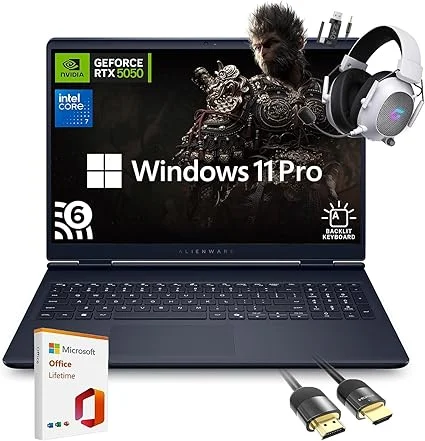
Alienware 16 Aurora AC16250 with RTX 5050

Gigabyte Gaming A16 with RTX 5050

Acer Nitro V with RTX 4060 and i9 13th Gen

Acer Nitro V 16 AI with RTX 5050 & Ryzen 5

Lenovo Legion 5i with RTX 5050

Lenovo LOQ with RTX 5050 (Ryzen 7 250)

ASUS ROG Strix G15 with RTX 3060 and Ryzen 7

Acer Nitro V 16S (RTX 5060 & Ryzen 7 260)

MSI Cyborg 15 (RTX 5050 & Intel 7)

MSI Pulse GL66 with RTX 3070 and i7 12th Gen

MSI Katana 15 with RTX 4070

Asus Rog Strix Scar 15 with RTX 3070 Ti and i9 12th Gen

Alienware 16 Aurora (RTX 5060 & Intel Core 7 240H)

ASUS ROG Zephyrus G15 Ultra with RTX 3080 and Ryzen 9

ASUS ROG Strix G16 (RTX 5060 & i7 14th Gen)

Acer Nitro V 17 AI (RTX 5070 & Ryzen 7)

Tuxedo InfinityBook Max 15 (RYZEN 9 & RTX 5060)

HP Omen 16 (RTX 5070 & Intel Core Ultra 9 285HX)

Lenovo Legion 5i (RTX 5070 & i7-14700HX)
Thunderobot Storm 17 (RTX 5070 & i7 13th Gen)

ASUS ROG Strix G16 with RTX 4070

MSI Katana 15 HX (RTX 5070 & Intel i7 14th Gen)

HP Omen 16 (RTX 5060 & Ryzen 9 8940HX)

HP OMEN Ultra Slim 16 (RTX 5070 & Intel i9)

MSI Creator M16 HX with RTX 4070
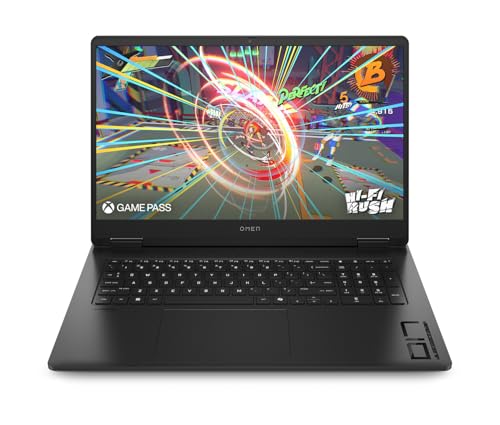
HP Omen 17 RTX 5070 & Ryzen AI 7

ASUS TUF Gaming A16 with RTX 4050

Lenovo Legion Pro 5i (i9-14900HX, RTX 4060)

ASUS TUF A18 (RTX 5070 & Ryzen 7 260)

GIGABYTE A16 Pro (RTX 5070 Ti & Intel Core Ultra 7)

Alienware M18 with RTX 4070

Acer Nitro 16S with RTX 5070 Ti

HP Omen MAX 16 (RTX 5070 & Ryzen AI 9 HX 375)
ASUS ROG Strix G16 (RTX 5070 & Intel i9 14th Gen)

ASUS ROG Zephyrus G16 with RTX 4070 and Ryzen AI 9

Acer Predator Helios 18 (RTX 5070 Ti & Intel Core Ultra 9)

Razer Blade 14 (RTX 5070 & Ryzen AI 9)

Dell Alienware 16X Aurora (RTX 5070 & Intel Core Ultra 9 275HX)

Thunderobot Radiant 16 (RTX 5070 Ti & Intel i9 14th Gen)

Thunderobot Zero 16 Pro (RTX 5080 & Ultra 9)

XMG Fusion 16 (RTX 5070 & Ultra 9)

MSI Vector 16 HX with RTX 5070 Ti

HP OMEN MAX 16 (RTX 5080 & RYZEN AI 9)

GIGABYTE AORUS Elite 16 (RTX 5070 & Intel Core Ultra 9 275HX)

Acer Predator Helios Neo 16S (RTX 5070 Ti & Intel Ultra 9 275HX)

ASUS ROG Strix Scar 17 Se with RTX 3080 Ti and i9

Lenovo Legion Pro 7 Gaming Laptop with RTX 4080 and Ryzen 9

ASUS ROG Strix G18 with RTX 4080 and intel i9 14th Gen

Lenovo Legion Pro 5i Gen 10 (RTX 5070 Ti & Intel Core Ultra 9 275HX)

GIGABYTE AORUS Master 16 (RTX 5070 Ti & Intel Core Ultra 9 275HX)

MSI Vector 17 HX with RTX 4080 in 2025

HP OMEN 16 with RTX 4080 and intel i9 14th Gen

Lenovo Legion Pro 7i Gen 10 with RTX 5070 Ti

Dell Alienware M16 Gaming Laptop with RTX 4080

LG Gram Pro 17 with RTX 5050

Lenovo Legion Pro 7 16IRX9H with RTX 4090

ASUS ROG Strix Scar 18 Gaming Laptop with RTX 4080
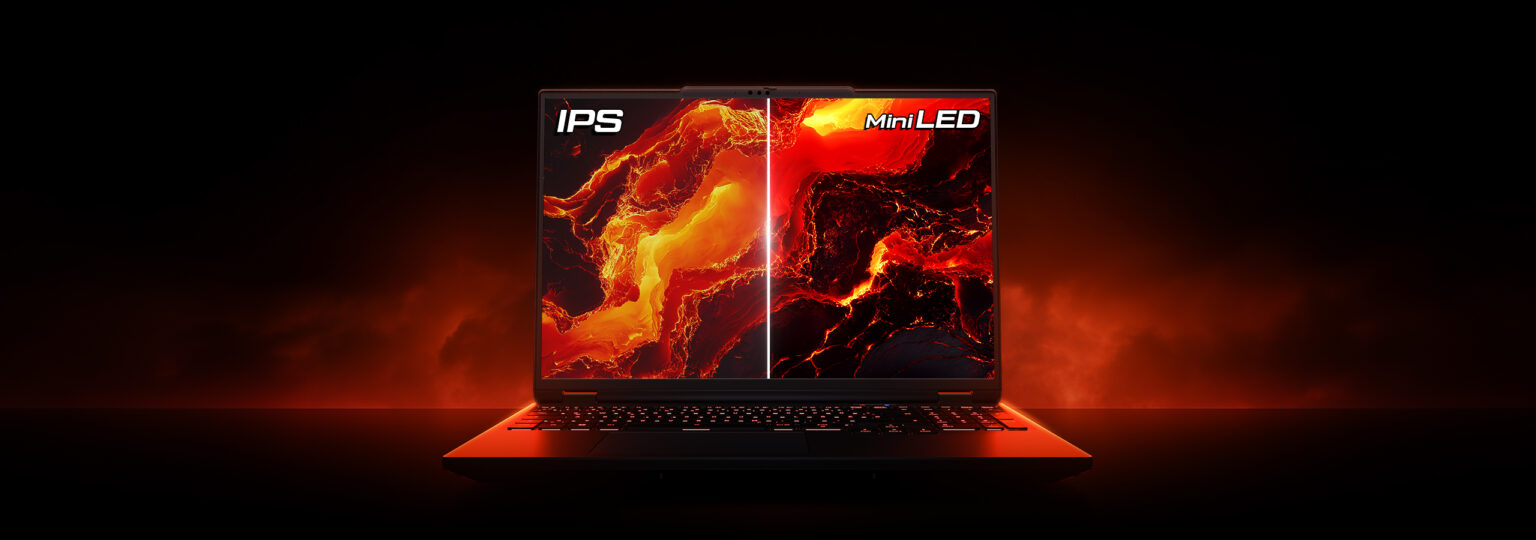
XMG Apex 16 Max (RTX 5070 Ti & Ryzen 9)

MSI Vector 16 HX AI with RTX 5080 and Intel Ultra 9-275HX

MSI Stealth A16 AI with RTX 5080 and Ryzen 9 HX 370

Acer Predator Helios Neo 18 2024 With Rtx 4080

Lenovo Thinkpad T1G Gen 8 (RTX 5070 & Ultra 9)

ASUS Strix Scar 16 (2025) with RTX 5090 and Intel Core Ultra 9 275HX

Lenovo Legion Pro 7i (2025) with RTX 5080

MSI Titan 18 HX AI (2025) with RTX 5080

GIGABYTE AORUS Master 16 (2025) with RTX 5080

MSI Raider 18 HX AI with RTX 5090 and Intel U9-285HX

ASUS ROG Strix Scar 18 G835 (RTX 5090 & Intel Ultra 9 275HX)

ASUS TUF Gaming F15 with RTX 2050 and Intel i5
❄️ Laptop Thermals & Essential Upgrades
Prevent thermal throttling and boost frametimes with verified laptop hardware upgrades.
IETS GT500 / Llano Sealed Cooling Pad
High-pressure foam seal forces cold air through vents, dropping CPU/GPU temperatures by 12°C–18°C and preventing clock throttling.
View Cooling Pad Deals →Crucial 32GB (2x16GB) SO-DIMM RAM
Dual-channel RAM kit eliminates 1% low stuttering, ensures seamless background multitasking, and prevents memory thrashing.
Check RAM Prices →Crucial P3 Plus 2TB M.2 NVMe SSD
Up to 5000MB/s Gen4 read speeds for near-instant level loading times in modern DirectStorage-enabled titles.
View SSD Deals →🎮 Check Another Game on Your Laptop
Your laptop specifications are automatically saved. Type any game below to test compatibility across 260+ catalog titles.
Frequently Asked Questions: Running Overwatch 2 on Laptop
What laptop graphics card (GPU) do I need to run Overwatch 2 at 60+ FPS?
For smooth 60+ FPS at 1080p or native laptop 1200p (16:10) on High settings, we recommend a laptop equipped with at least an RTX 3050 Mobile (60W) / GTX 1650 Mobile. For minimum playable performance (~35–48 FPS Balanced), an Intel Iris Xe (96 EUs) / AMD Radeon 680M is sufficient. If you plan to play at 1600p QHD+ or want 144Hz+ esports fluidity, consider an RTX 4080 (150W+) or RTX 5080/5090 mobile flagship. For competitive gaming in Overwatch 2, pairing an RTX 4060 or RTX 5060 with a high-refresh (144Hz–240Hz) display gives you the lowest possible input latency.
Can Overwatch 2 run on an integrated graphics (iGPU) laptop without a dedicated graphics card?
Yes! Overwatch 2 is lightweight and well-optimized for modern laptop integrated graphics. Laptops powered by AMD Radeon 780M, Radeon 890M (Ryzen 7 7840HS, 8845HS, Ryzen AI 9) or Intel Arc graphics can comfortably reach 60–90+ FPS at 1080p. Standard Intel Iris Xe graphics (96 EUs) can deliver 40–55 FPS at 1080p Low settings.
How much RAM does Overwatch 2 need on laptops, and is 8GB enough?
Overwatch 2 operates with 6GB RAM, though 16GB dual-channel is the modern sweet-spot standard for PC gaming to prevent memory swapping and stabilize 1% low frametimes.
How much storage space does Overwatch 2 take on a laptop, and is an SSD required?
Overwatch 2 requires approximately 50GB of free drive space. An NVMe SSD is strongly recommended (and effectively required on modern titles). Because modern engines continuously stream high-resolution textures and asset geometry into memory, installing on an older 5400 RPM mechanical laptop hard drive can result in severe texture pop-in, long loading times, and audio desynchronization.
Will Overwatch 2 suffer from VRAM stutter on 4GB or 6GB laptop graphics cards?
Overwatch 2 is well-optimized for video memory. Laptops with 4GB or 6GB VRAM can comfortably run textures at High settings without running into VRAM saturation.
Why does Overwatch 2 drop framerates or lag when playing on battery power?
When unplugged from AC wall power, gaming laptop batteries cannot safely discharge the high peak wattages (85W–175W) required by high-power mobile GPUs and processors without damaging battery chemistry. The laptop automatically limits GPU power draw down to ~30W–45W, cutting your framerate by 50% to 65%. To play Overwatch 2 at full speed, always plug your laptop into the official AC wall charger and enable Performance Mode in your manufacturer software (e.g. ASUS Armoury Crate, Lenovo Vantage, or HP OMEN Gaming Hub).
Does Overwatch 2 cause laptop overheating or thermal throttling, and does a cooling pad help?
Overwatch 2 has modest thermal demands. On most modern gaming laptops with clean cooling fans, temperatures remain well within safe operating ranges (65°C–75°C). Elevating the rear of the laptop by an inch helps improve passive airflow.
What are the best graphics settings to boost FPS in Overwatch 2 on a laptop?
To maximize framerates in Overwatch 2 on mobile hardware: 1) Turn on DLSS (NVIDIA) or FSR (AMD) in Quality or Balanced mode for an instant 25%–40% framerate boost; 2) Lower Volumetric Clouds/Fog, Shadow Quality, and Screen-Space Reflections from Ultra to High or Medium; 3) If playing on a 120Hz/144Hz laptop screen, enable NVIDIA Reflex or AMD Anti-Lag to minimize input latency.
📚 Complete Testing & Buying Hub for Overwatch 2
Explore all verified guides, hardware benchmarks, and budget recommendations tailored specifically for Overwatch 2.
🔥 More First-Person Shooter Games — Can Your Laptop Run Them?

Cyberpunk 2077: Phantom Liberty
Test My Laptop →
Gallipoli
Test My Laptop →
Atomic Heart 2
Test My Laptop →
Guns of Eschaton
Test My Laptop →
Hell Let Loose: Vietnam
Test My Laptop →
S.T.A.L.K.E.R. 2: Cost of Hope
Test My Laptop →
Bodycam
Test My Laptop →
Call of Duty: Modern Warfare 4
Test My Laptop →
Far Far West
Test My Laptop →
Metro 2039
Test My Laptop →